Sudden shoulder pain from a fall, impact, or overexertion can make daily tasks feel impossible. Activities like dressing, lifting, or even lying on your side may become painful. For athletes, cyclists, laborers, and anyone prone to falls or physical strain, one of the most common shoulder injuries is an AC joint injury.
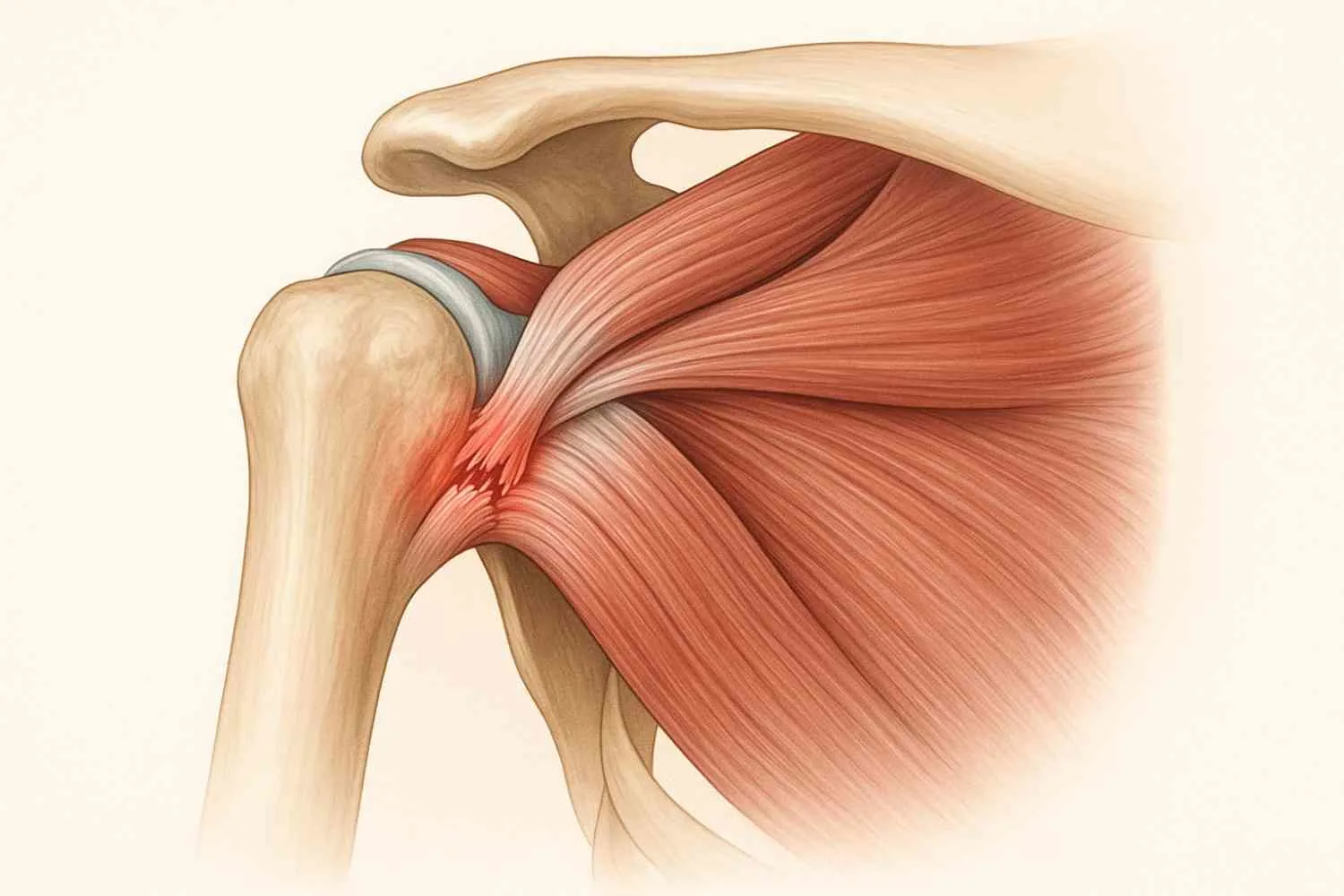
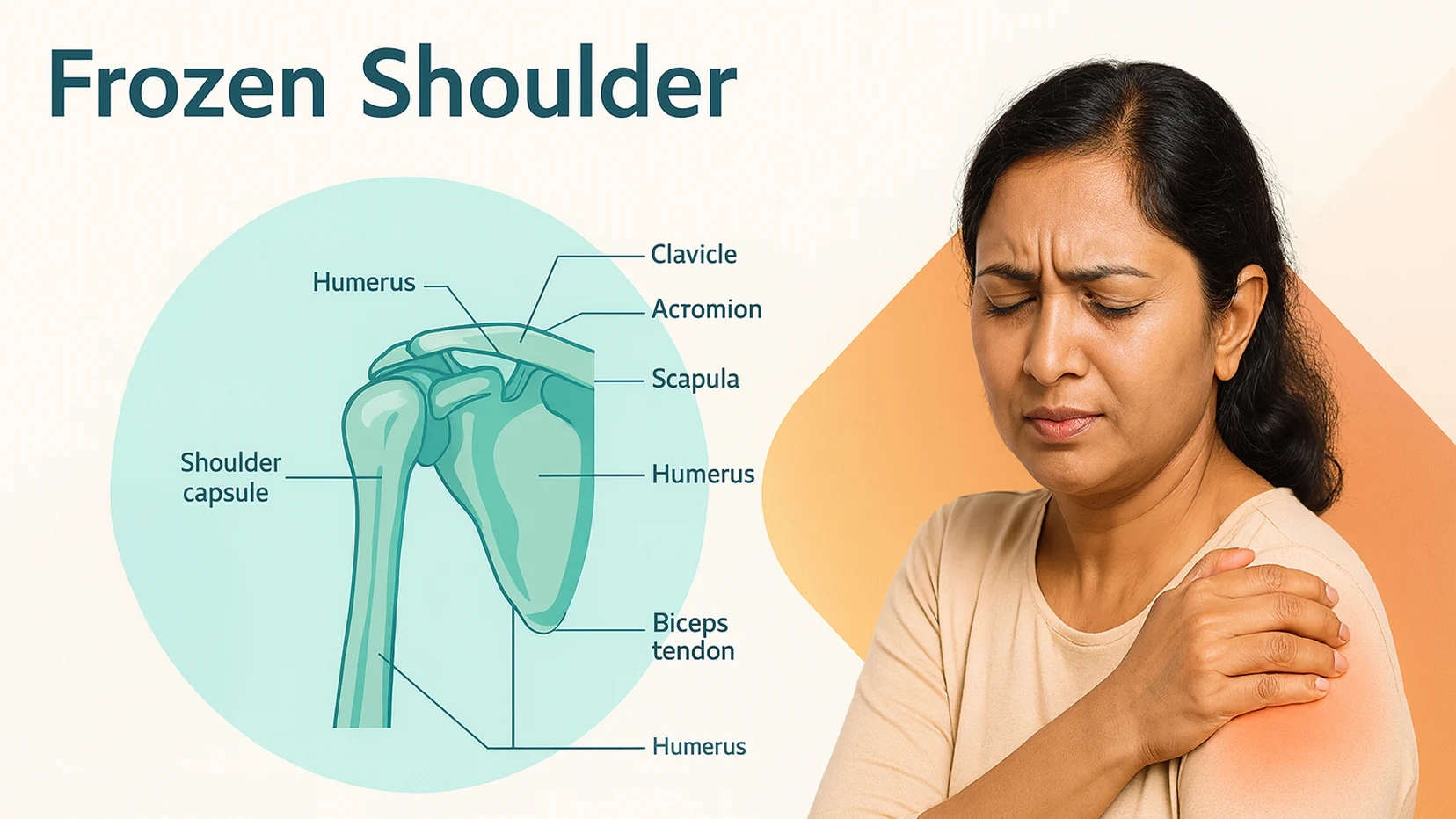
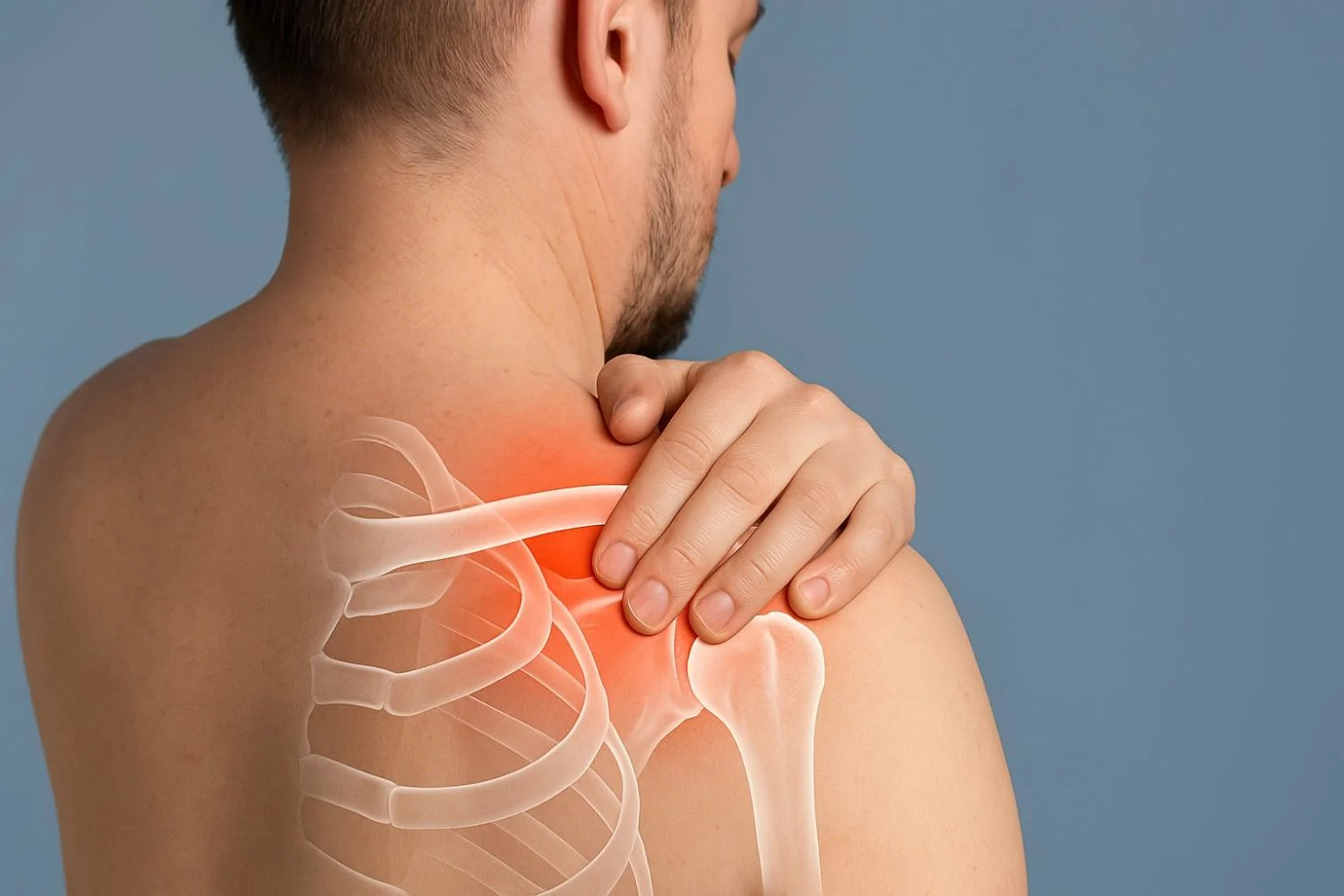
The acromioclavicular (AC) joint connects the collarbone (clavicle) to the highest point of the shoulder blade (acromion). It plays a key role in shoulder movement and stability.
Athletes in contact sports, cyclists who fall on their shoulders, or workers lifting heavy objects are particularly at risk.
In this blog, we’ll explore what an AC joint injury is, how it happens, and the best treatment options available.
An AC joint injury refers to damage at the junction where the collarbone (clavicle) meets the top of the shoulder blade (acromion). It is commonly referred to as an "AC separation" or "shoulder separation."
This type of injury may involve:
Strain (mild stretching of the ligaments)
Partial tears
Complete dislocations (the collarbone gets pushed out of position)
A mild AC joint injury may feel like soreness after a workout, while severe forms can visibly dislocate the shoulder and cause intense pain.
The AC joint is essential for raising the arm overhead and providing shoulder flexibility.
AC Ligament: Directly stabilizes the joint.
Coracoclavicular (CC) Ligaments: Two strong bands (trapezoid and conoid) that support vertical shoulder stability.
When these ligaments stretch or tear, pain and instability occur.
These ligaments prevent excessive movement and allow for fluid shoulder motion. Damage to any part of this structure can significantly affect upper-body function.
|
Grade |
Description |
Severity |
|
I |
Minor strain or ligament stretching |
Mild |
|
II |
Partial tear of the AC ligament |
Moderate |
|
III |
Complete tear of the AC and CC ligaments |
Severe |
|
IV |
Clavicle dislocation into/behind the muscle |
Severe |
|
V |
Major displacement with muscle detachment |
Very severe |
|
VI |
Downward displacement (rare) |
Very severe |
Injuries to the AC joint can result from both trauma and overuse. Common causes include:
Direct fall onto the shoulder (e.g., falling off a bike or slipping)
Sports collisions, especially in rugby, hockey, and football
Heavy lifting with poor form
Traffic accidents involving the shoulder hitting the ground or dashboard
Repetitive strain from certain jobs or exercises (e.g., bench pressing, swimming)
You might suspect an AC joint injury if you notice:
Sharp pain at the top of the shoulder
Visible bump or deformity on top of the shoulder
Swelling or bruising around the joint
Pain when lifting the arm, especially overhead
Limited range of motion
Clicking, popping, or instability in the shoulder
Palpation to identify pain spots
Arm movement tests
Evaluation of the range of motion and strength
X-ray: Best for identifying bone displacement and grading the injury (Rockwood classification)
MRI: Useful for evaluating ligament tears and soft tissue damage
Accurate diagnosis helps determine whether surgery is necessary.
For Grades I–III, conservative treatment often helps:
Rest and avoid strenuous activity.
Ice therapy to reduce swelling
Arm sling for 1–2 weeks
Anti-inflammatory medications (e.g., ibuprofen)
Physiotherapy for mobility and strength
Gradual return to normal activity under guidance
Surgery is considered for Grades IV–VI or when:
Chronic pain persists.
Cosmetic deformity affects function.
Conservative treatment fails.
Surgical procedures include:
AC joint reconstruction with grafts or screws
Fixation techniques to stabilize the joint
Post-operative physiotherapy for 2–3 months
Recovery varies based on severity and treatment.
|
Grade |
Recovery Time |
|
Grade I–II |
2–6 weeks |
|
Grade III |
6–12 weeks |
|
Post-surgery |
3–6 months |
Rest & Immobilization (1–2 weeks)
Mobility Exercises (2–4 weeks)
Strength Training (4–8 weeks)
Return to Activity (after 8+ weeks)
Minimize your risk with these proactive measures:
Wear protective gear in contact sports.
Always warm up and stretch before workouts.
Avoid lifting heavy objects without proper posture.
Strengthen rotator cuff and deltoid muscles.
Correct slouching or poor posture at work.
Seek medical attention if:
Severe swelling or an obvious bump appears.
Shoulder feels unstable or weak.
Pain lasts more than two weeks.
You experience numbness or tingling in the arm.
Timely care can prevent chronic pain and loss of function.
AC joint injuries are common but manageable. With proper rest, diagnosis, and physiotherapy, most people regain full shoulder function without surgery.
Disclaimer: Consult a physiotherapist or orthopedic expert for a personalized shoulder recovery plan.
Need help with shoulder pain? Visit Omansh.org to connect with our physiotherapy experts today.
Copyright 2026 | Omansh.org
Website designed and developed by PulsePlay Digital