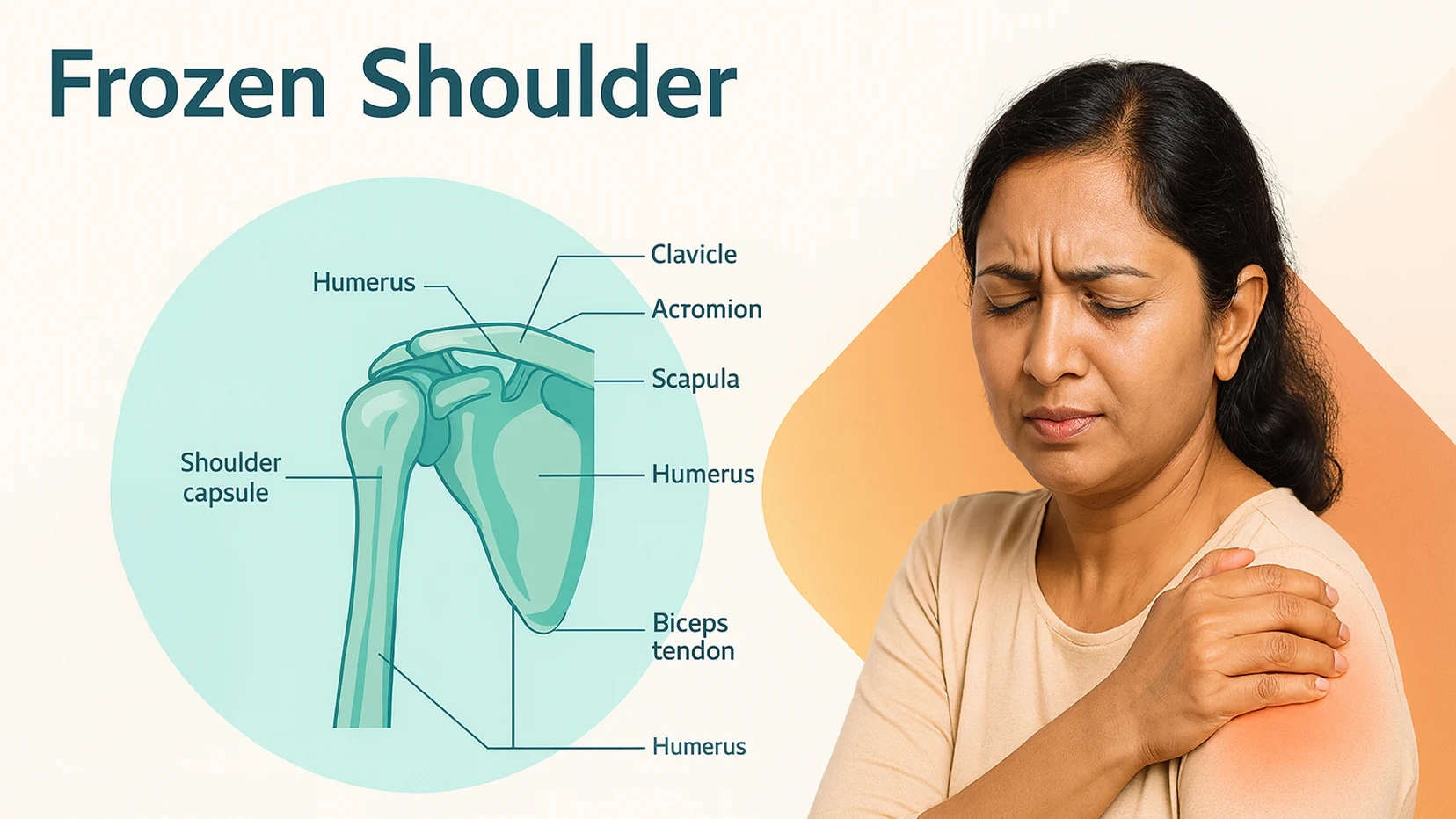
Shoulder pain can disrupt every part of your life—from combing your hair to reaching overhead. Whether you're an athlete, a yoga enthusiast, or someone doing daily chores, shoulder injuries like rotator cuff tears can make even the simplest movements painful.
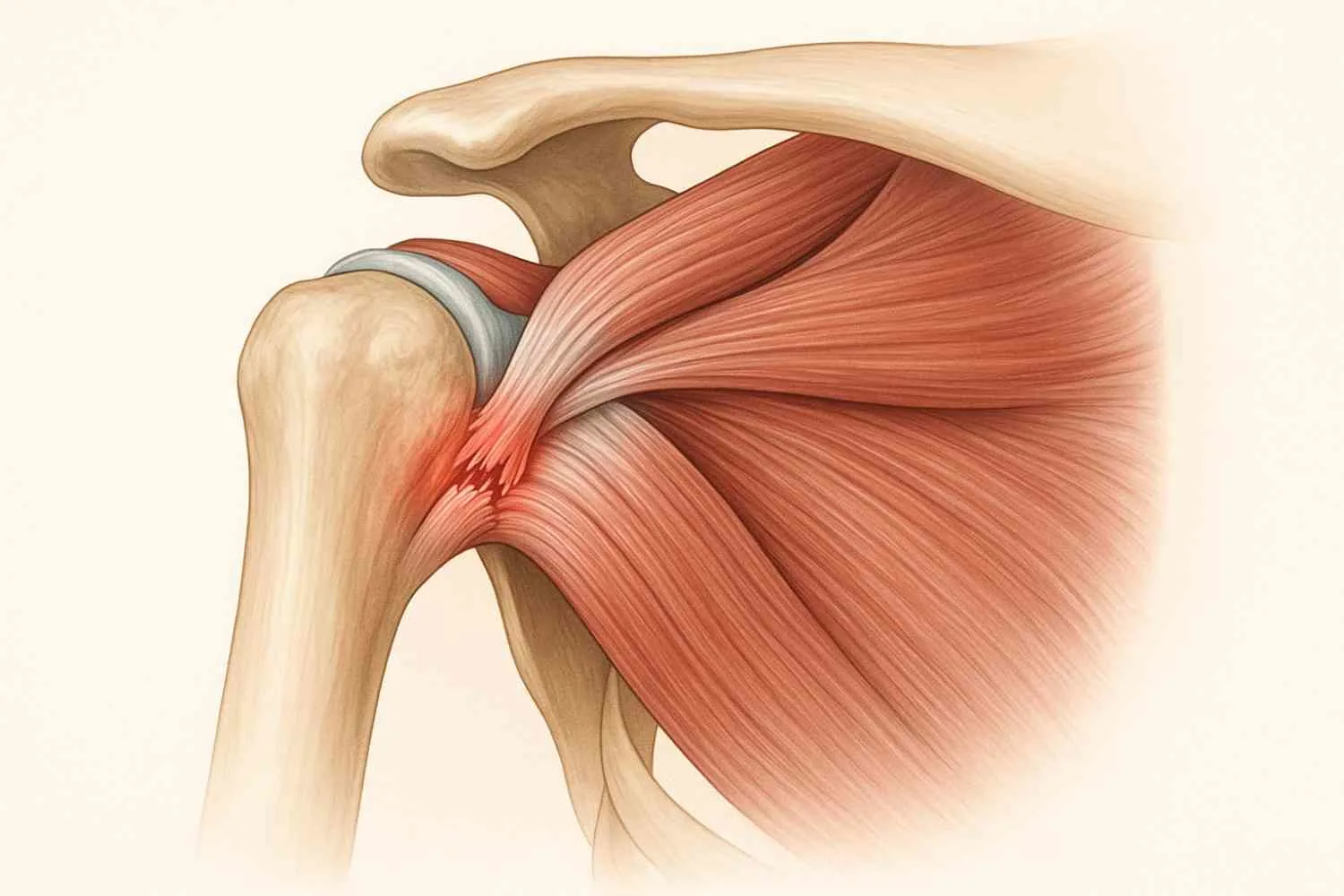
The rotator cuff is a group of muscles and tendons that surround the shoulder joint, helping keep it stable and functional. Injuries to this crucial structure are common but often misunderstood.
Understanding the causes, symptoms, and treatment of rotator cuff injuries can prevent long-term complications and chronic pain.
In this guide, you’ll learn what a rotator cuff injury is, how it happens, how to spot it early, and how it’s treated.
The rotator cuff is a group of four muscles and their associated tendons that stabilize the shoulder joint. These muscles form a "cuff" over the head of the upper arm bone (humerus) and work together to allow for a wide range of motion in the shoulder.
1. Supraspinatus – Initiates arm lifting.
2. Infraspinatus – Helps rotate the arm outward.
3. Teres Minor – Assists in external rotation.
4. Subscapularis – Helps in internal rotation.
These muscles coordinate to stabilize the shoulder, particularly during lifting, rotating, or any overhead activity.
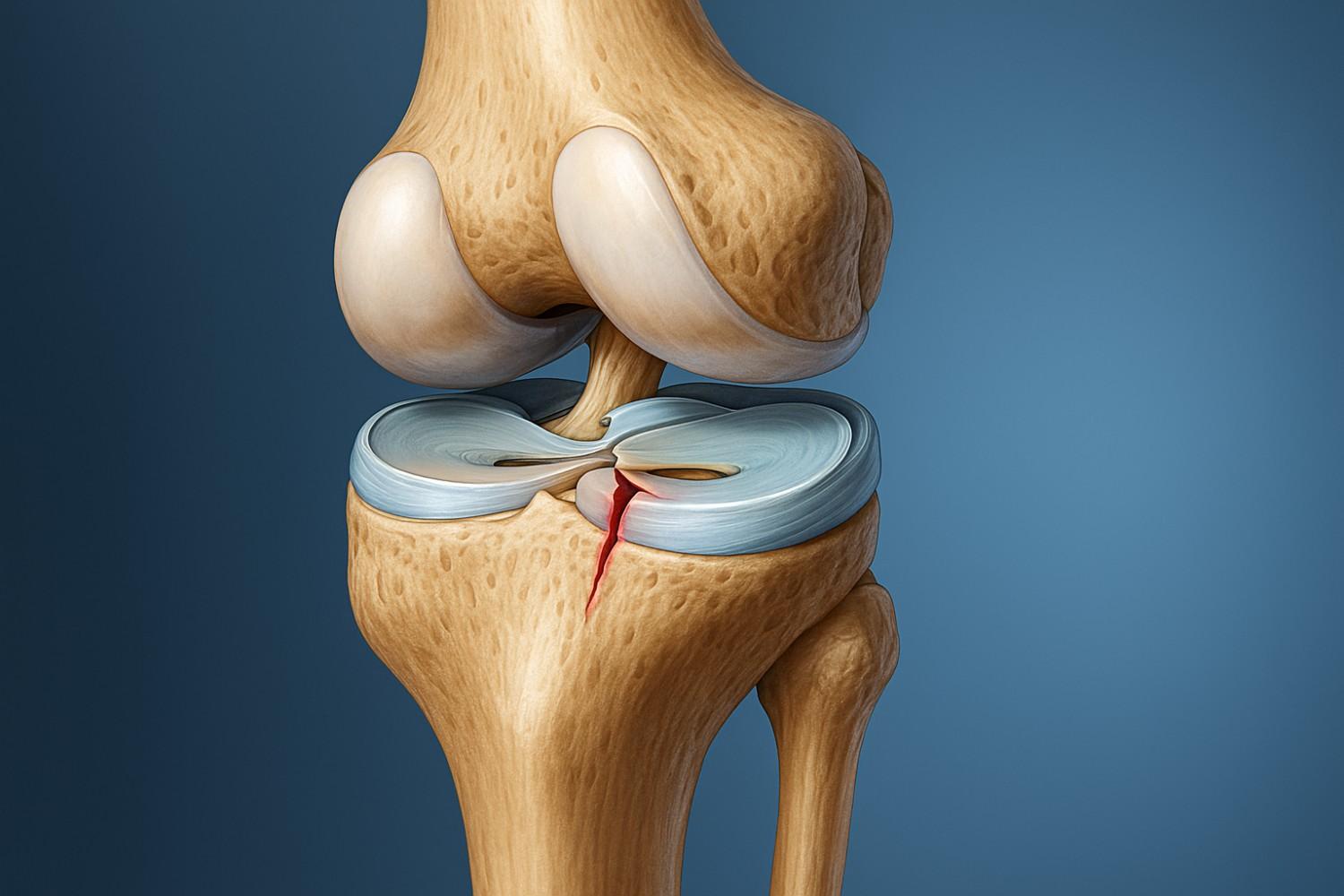
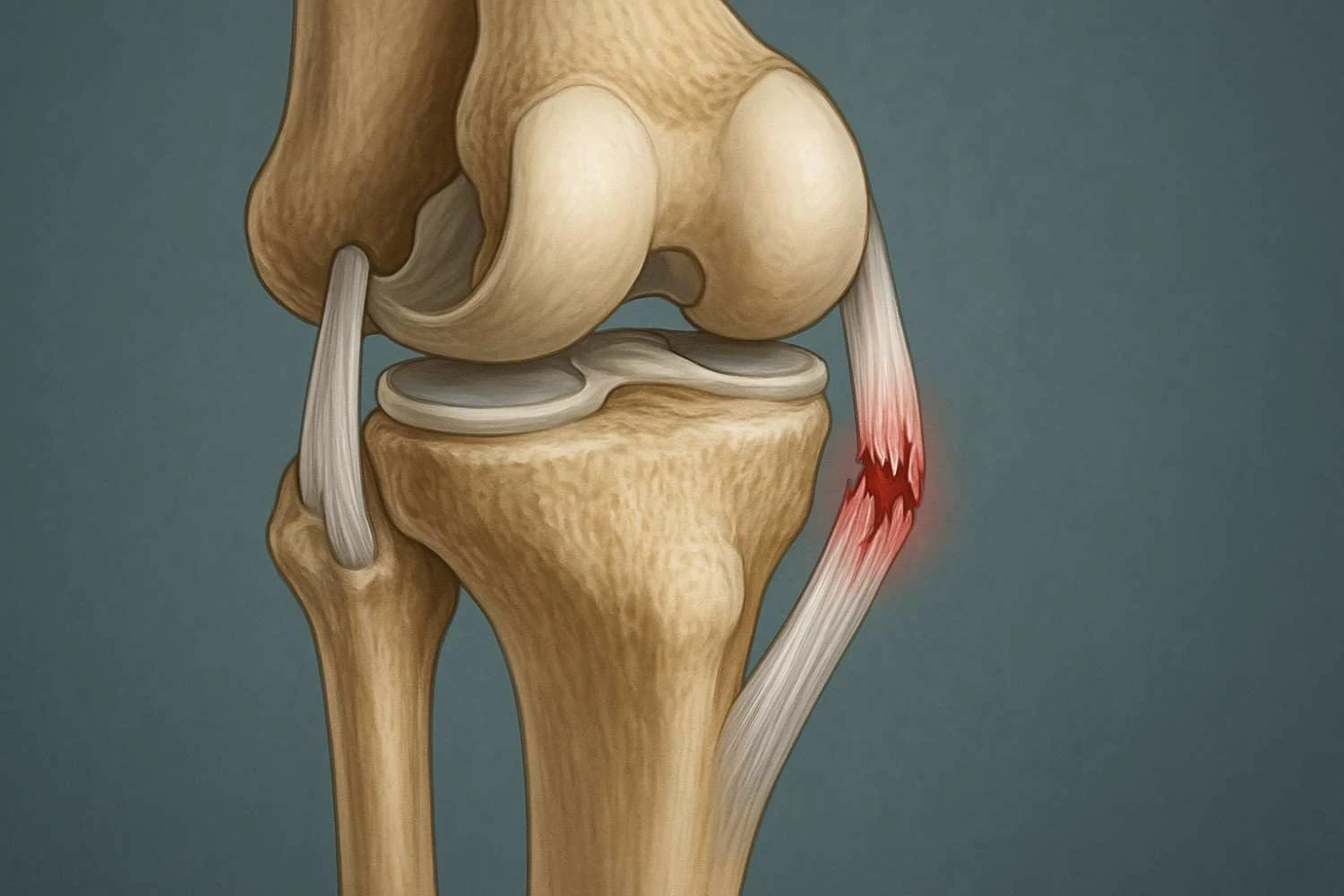
A rotator cuff injury involves damage to one or more of the muscles or tendons of the rotator cuff. This can range from mild inflammation (tendinitis) to partial or complete tears in the tendons.
Such injuries can be:
Partial: A fraying or small tear.
Complete: The tendon is fully torn and no longer attached to the bone.
Acute: Due to trauma, like falling or lifting something too heavy.
Degenerative: Occurs gradually due to aging or repetitive stress.
Examples:
A weightlifter is feeling sudden, sharp pain while bench pressing.
An elderly person is struggling to reach overhead due to years of shoulder overuse.
A painter or yoga enthusiast is developing inflammation from repetitive motion.
|
Type |
Description |
Common In |
|
Tendinitis |
Inflammation of the tendon due to overuse |
Young athletes |
|
Impingement |
The tendon gets pinched between bones. |
Repetitive overhead motion (painters, swimmers) |
|
Partial Tear |
Small tear in the tendon |
Middle-aged adults |
|
Complete Tea |
Full detachment of the tendon from the bone |
Older adults, trauma victims |
Understanding what leads to rotator cuff injuries can help prevent them. Common causes include:
Overuse: Repetitive motion in sports (swimming, tennis), painting, or lifting can strain shoulder tendons.
Aging: Natural degeneration of tendons due to wear and tear.
Trauma: Sudden jerk or fall on the shoulder.
Poor Posture: Slouching narrows the shoulder space, causing impingement.
Weak Muscles: Lack of strength in supporting muscles increases injury risk.
Smoking: Reduces blood flow, affecting tendon health.
Recognizing symptoms early helps in faster recovery:
Dull ache in the shoulder
Pain at night, especially while lying on the injured side
Weakness while lifting or rotating the arm
Limited range of motion
Clicking or popping sounds during movement
A doctor will examine shoulder movement, muscle strength, and pain areas.
X-ray: Checks for bone spurs or arthritis.
Ultrasound: A dynamic test to view tendons in motion.
MRI: The most accurate test to detect the size and location of a tear.
Note: Early diagnosis can significantly reduce recovery time and complications.
Rest and Ice: Reduces swelling and pain.
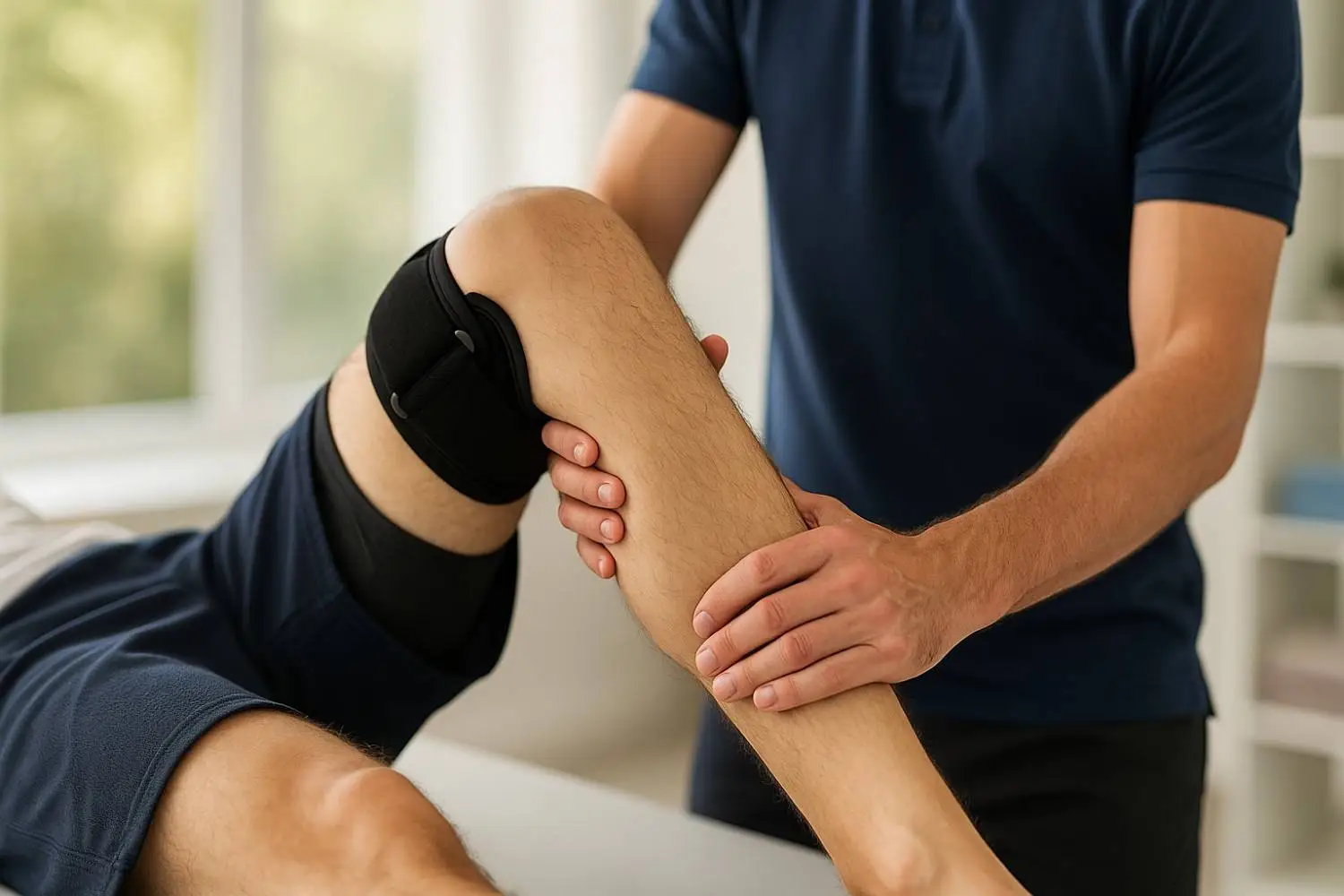
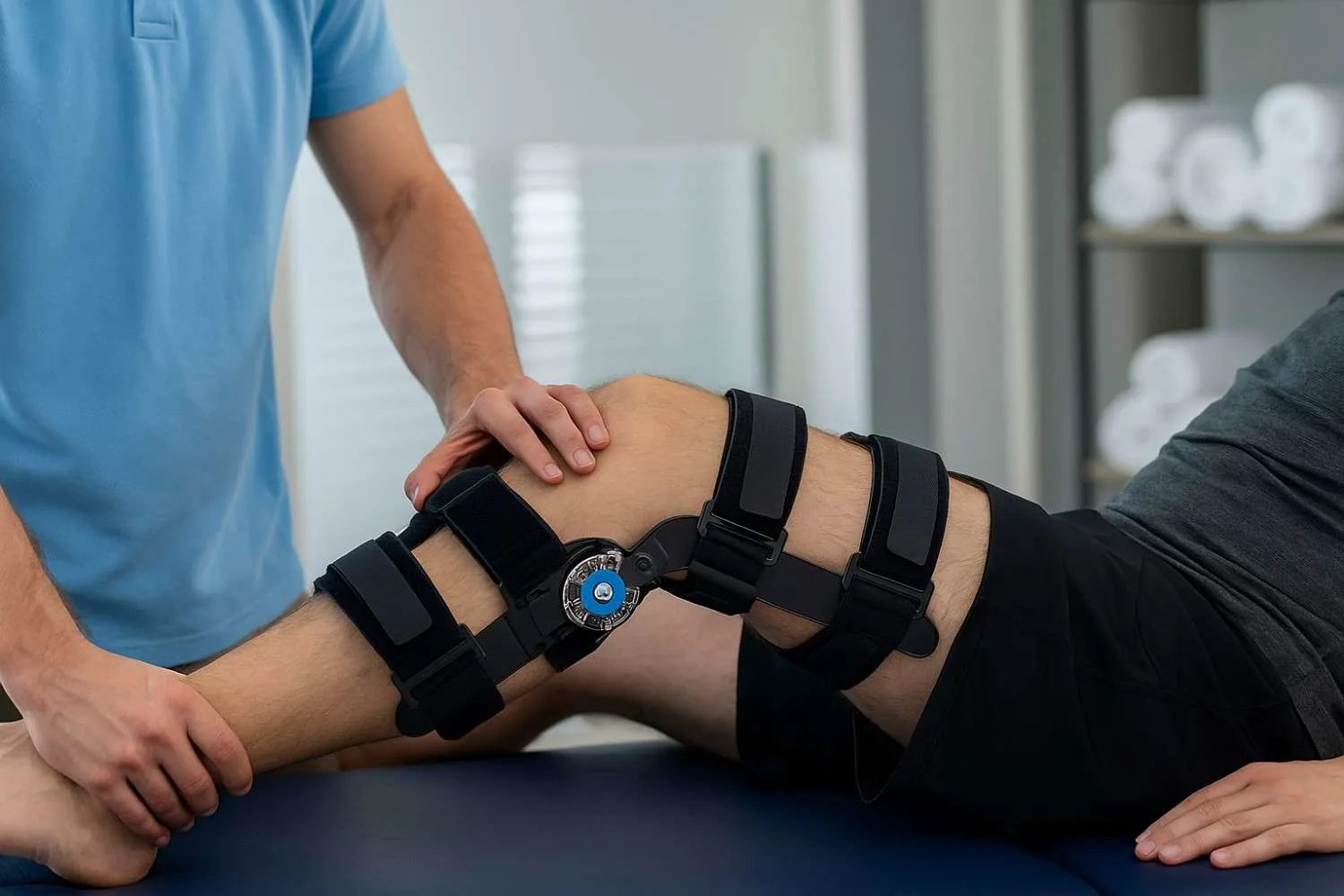
Physiotherapy: Tailored exercises to strengthen shoulder muscles and restore mobility.
Medications: NSAIDs (like ibuprofen) for inflammation.
Corticosteroid Injections: For short-term relief in severe cases.
Arthroscopic Tendon Repair: Minimally invasive repair through small incisions.
Mini-Open Repair: A mix of arthroscopy and open surgery.
Shoulder Replacement: For massive irreparable tears, especially in older adults.
Minor injuries: 6–12 weeks with physiotherapy.
Post-surgery recovery: 4–6 months or longer.
1. Rest Phase: Immobilization with a sling to allow healing.
2. Physiotherapy: Gentle range-of-motion and strengthening exercises.
3. Activity Resumption: Gradual return to work, sports, or yoga.
Wall slides
Pendulum swings
External rotations with a resistance band
Shoulder blade squeezes
Stay injury-free with these precautions:
Always warm up before any workout or sport.
Avoid repetitive overhead movements or take frequent breaks.
Maintain good posture during sitting, working, and exercising.
Include shoulder-strengthening exercises in your routine.
Listen to your body: Don’t ignore mild pain or fatigue.
Seek medical attention if:
Shoulder pain persists beyond two weeks.
You feel weakness or can’t lift your arm.
Pain follows a fall, accident, or sports injury.
Sleep is disturbed due to shoulder discomfort.
Rotator cuff injuries are common but treatable. With early diagnosis, proper rest, and guided physiotherapy, most people recover fully without surgery.
Disclaimer: Consult a physiotherapist or orthopedic specialist for shoulder evaluation.
Stay strong, stay informed- and don’t ignore shoulder pain!
Visit Omansh.org for expert guidance and physiotherapy solutions tailored for you.
Copyright 2026 | Omansh.org
Website designed and developed by PulsePlay Digital