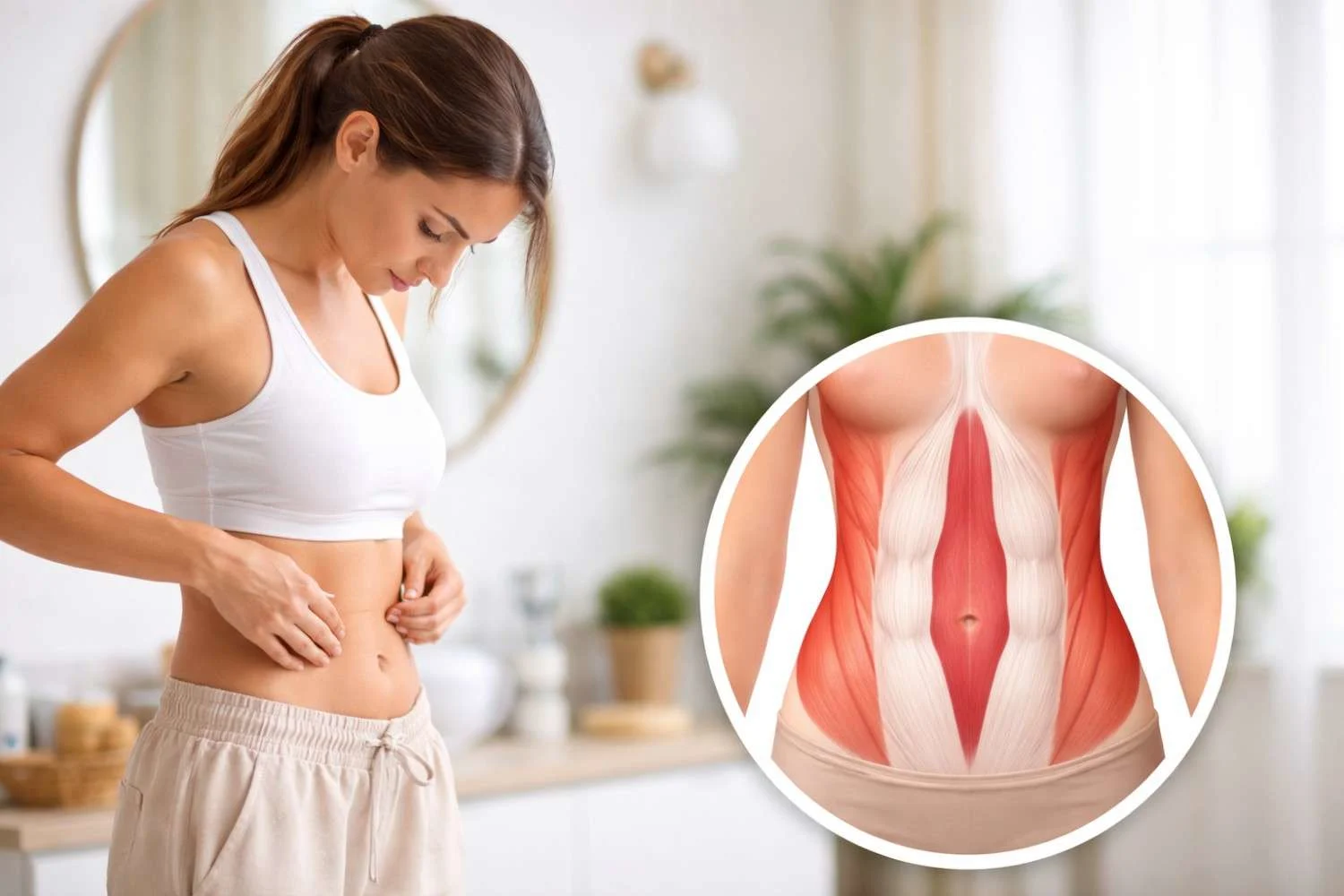
Pregnancy brings many physical changes to a woman’s body, and one of the most common abdominal conditions after childbirth is diastasis recti. Many women notice a bulge in the center of their abdomen even months after delivery and wonder why their stomach has not returned to normal.
So, what is diastasis recti?
It is a condition where the abdominal muscles separate, creating a gap between the left and right sides of the rectus abdominis muscles.
Diastasis recti after pregnancy is very common because the growing uterus stretches the abdominal wall to accommodate the baby. While mild cases may improve naturally, untreated separation can lead to core weakness, poor posture, and back pain.
This is why early diagnosis and proper treatment are extremely important. With the right physiotherapy, exercises, and lifestyle changes, many women can achieve a full diastasis recti recovery.
In this article, we will explore diastasis recti causes, symptoms, diagnosis, and effective treatment options to help you understand how to fix diastasis recti safely.
Diastasis recti is the separation of the abdominal muscles along the midline of the stomach. The condition occurs when the connective tissue between the left and right abdominal muscles stretches and becomes thin.
Normally, the abdominal muscles work together to support the core, maintain posture, and protect internal organs. However, when these muscles separate, the core becomes weak and less stable.
The most common reason for this separation is pregnancy, when the growing uterus places pressure on the abdominal wall. Hormonal changes during pregnancy also soften connective tissues, making the muscles more likely to stretch.
Although diastasis recti after pregnancy is common, it can also occur in men, newborn babies, and people who experience excessive abdominal pressure.
Without proper treatment, this condition may affect posture, physical strength, and overall core stability.
Understanding the diastasis recti causes can help prevent the condition and support faster recovery.
Pregnancy is the most common cause of diastasis recti. As the baby grows, the abdominal wall stretches to make space for the uterus. This pressure can cause the abdominal muscles to separate.
Women who have had multiple pregnancies are at higher risk because the abdominal muscles stretch repeatedly. Each pregnancy can increase the likelihood of muscle separation.
Conditions that increase pressure inside the abdomen can contribute to diastasis recti. Examples include:
Excess body weight or sudden weight gain can place additional strain on the abdominal wall. Over time, this pressure may weaken connective tissues and lead to muscle separation.
Certain exercises that increase abdominal pressure may worsen diastasis recti. Exercises like crunches, sit-ups, or intense abdominal workouts can make the separation worse if done incorrectly.
This is why safe and guided diastasis recti exercises are essential during postpartum recovery.
The diastasis recti symptoms can vary from mild to severe depending on the level of muscle separation.
The most noticeable symptom is a bulge or ridge in the middle of the stomach, especially when sitting up, coughing, or straining.
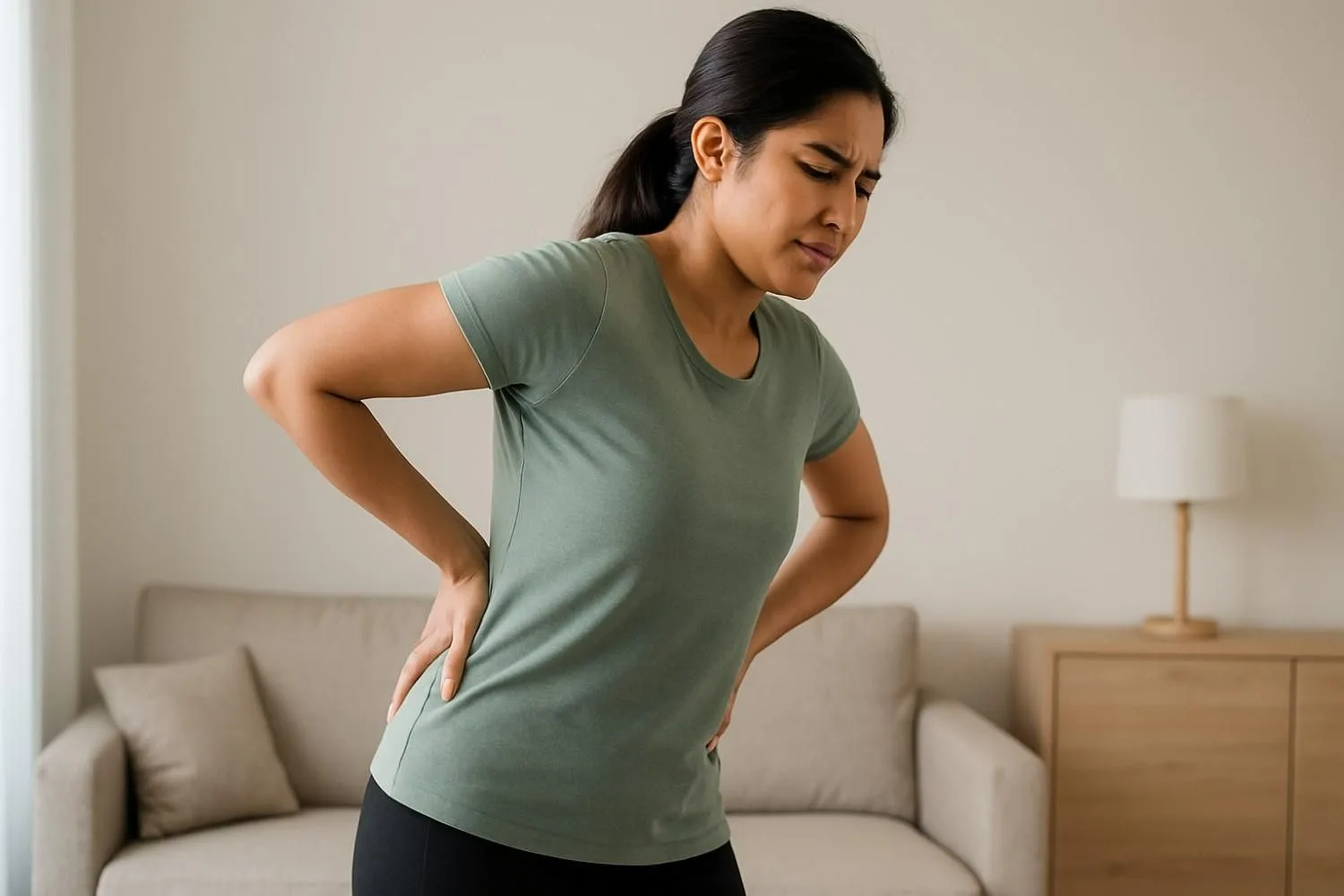
A weak core can place additional pressure on the spine, leading to lower back pain and discomfort during daily activities.
Women with diastasis recti often feel their abdominal muscles are weak or unable to support their body properly.
Abdominal muscles help stabilize the body. When these muscles are weak, it can lead to poor posture and imbalance.
Since the core provides strength for lifting and movement, individuals with diastasis recti may find it difficult to lift heavy objects or perform certain physical tasks.
Diagnosing diastasis recti usually involves a simple physical examination.
A physiotherapist or doctor will examine the abdomen and measure the distance between the abdominal muscles.
You can also perform a basic self-check at home:
If you feel a gap wider than two finger widths, you may have diastasis recti.
For accurate assessment, healthcare professionals may perform physical tests or imaging techniques such as ultrasound.
The good news is that most cases can be treated without surgery. Proper rehabilitation and strengthening exercises can significantly improve the condition.
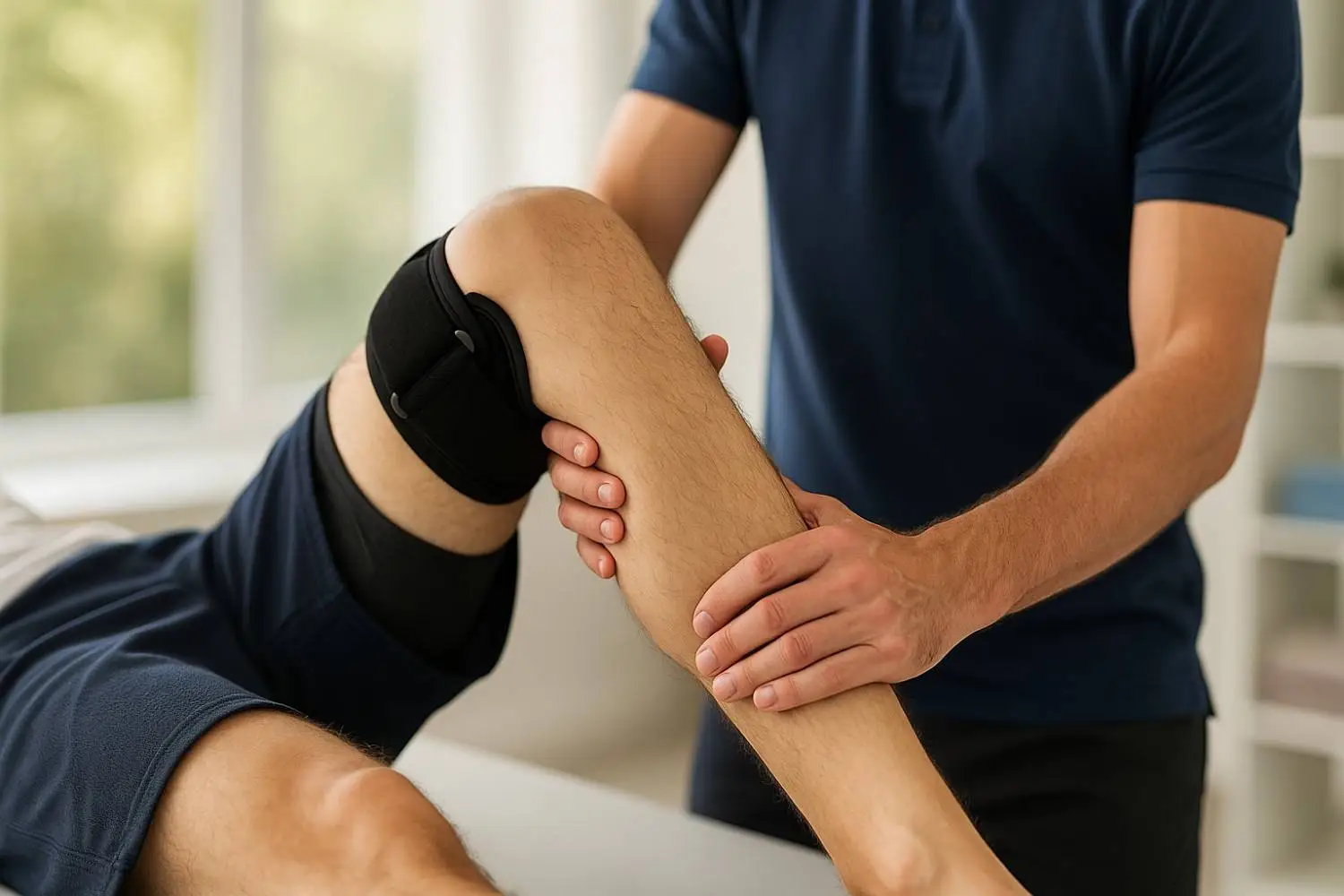
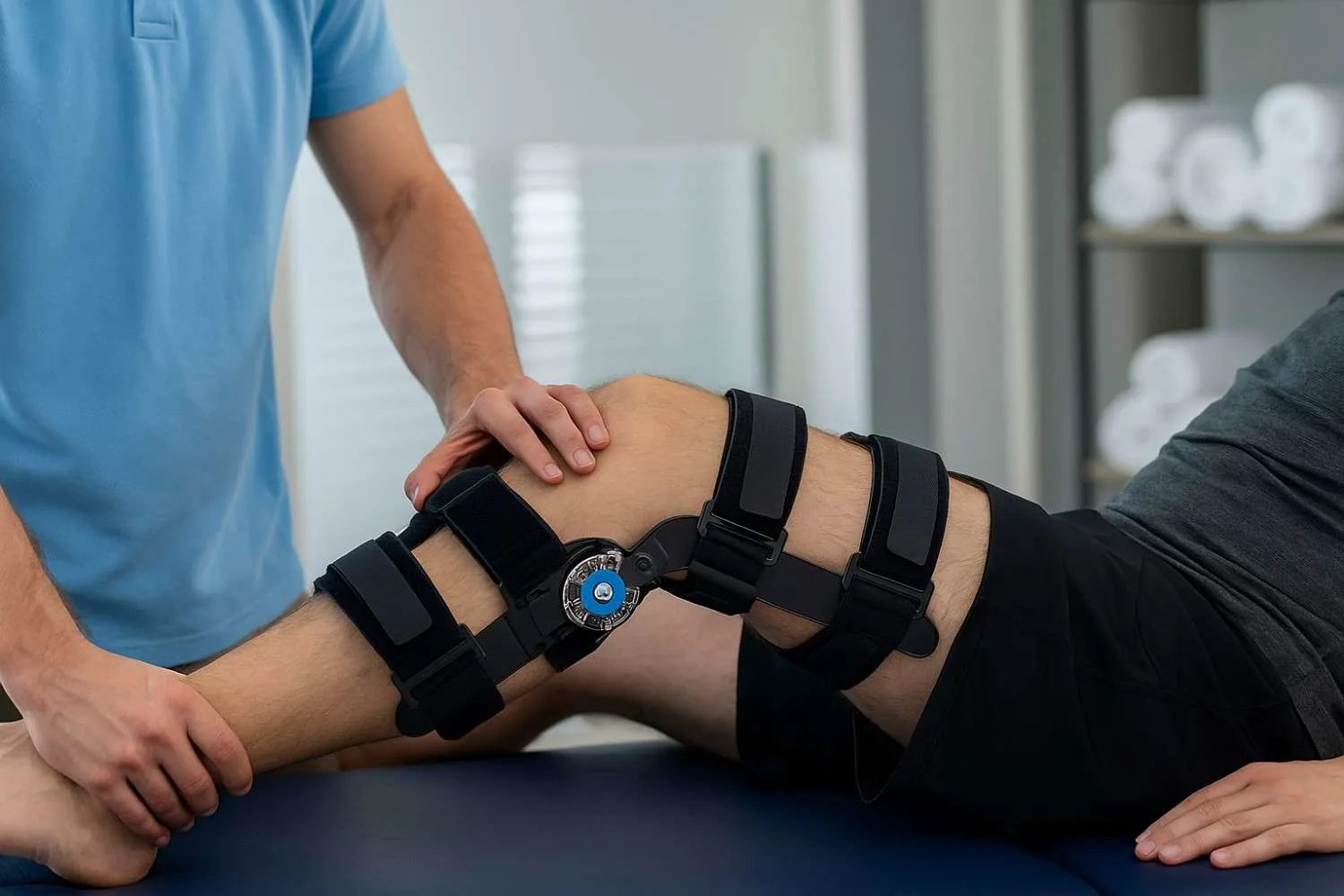
Diastasis recti physiotherapy is one of the most effective treatment approaches.
A physiotherapist will guide you through:
These methods help restore abdominal strength and gradually close the muscle gap.
Special exercise programs focus on deep core muscles, particularly the transverse abdominis.
Safe postpartum exercises help strengthen the abdominal wall without increasing internal pressure.
Small lifestyle changes can greatly improve recovery.
Important adjustments include:
These habits support faster diastasis recti recovery.
In rare cases where the muscle separation is severe and does not improve with physiotherapy, surgery may be considered.
The procedure involves repairing the abdominal muscles and tightening the connective tissue. However, surgery is usually the last treatment option.
Performing the right exercises is essential for strengthening the abdominal wall safely.
Pelvic tilts gently activate the abdominal and pelvic floor muscles while improving spinal stability.
Heel slides help strengthen deep core muscles without placing pressure on the abdomen.
Abdominal bracing teaches you how to engage your core muscles properly during movement.
Deep breathing activates the diaphragm and core muscles, which helps restore abdominal function.
These diastasis recti exercises should ideally be performed under professional supervision.
Certain exercises can worsen abdominal separation and should be avoided during recovery.
These include:
Avoiding these activities helps prevent further strain on the abdominal muscles.
You should consult a physiotherapist if you experience:
Postpartum women especially benefit from professional diastasis recti physiotherapy, which supports safe and effective recovery.
Copyright 2026 | Omansh.org
Website designed and developed by PulsePlay Digital