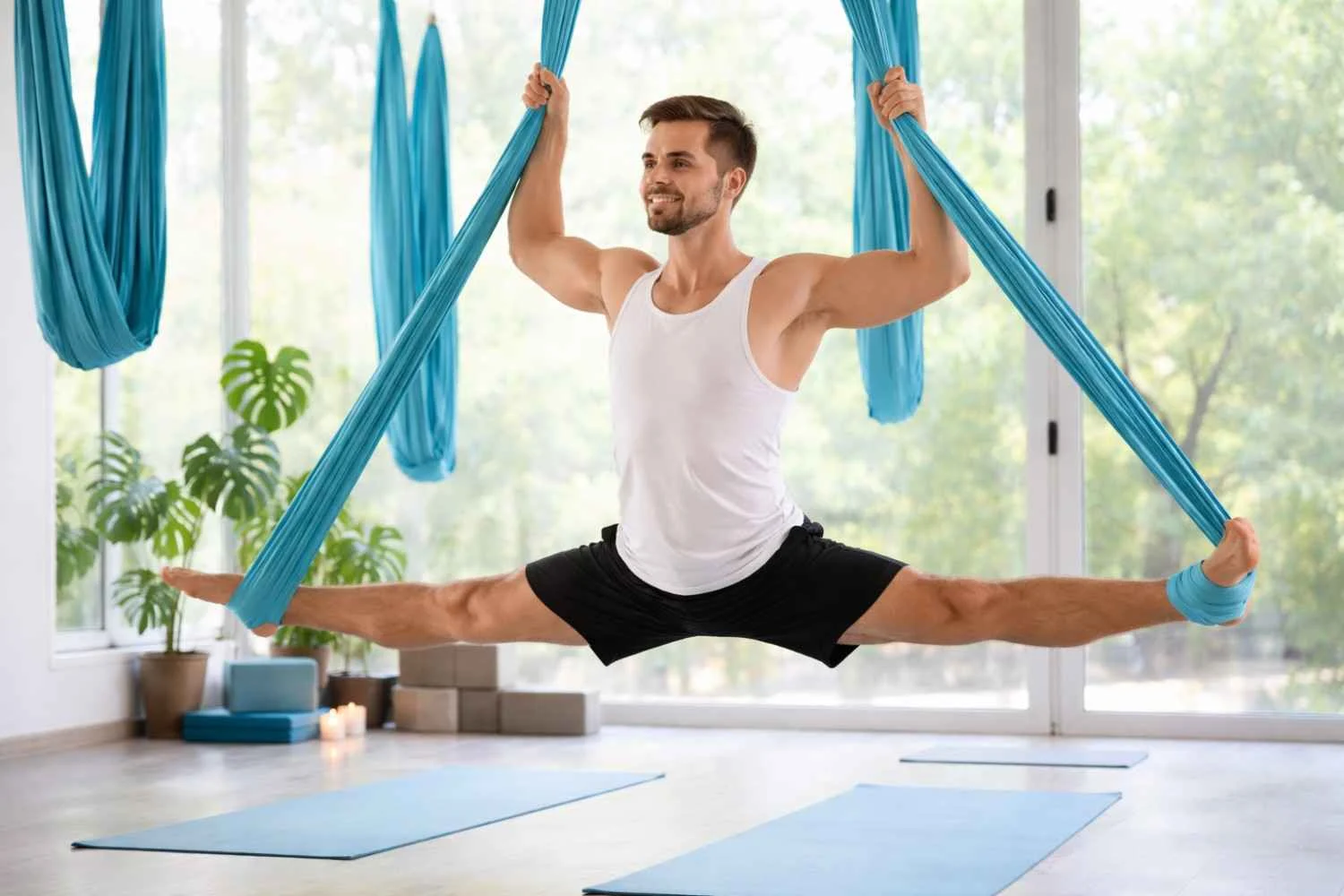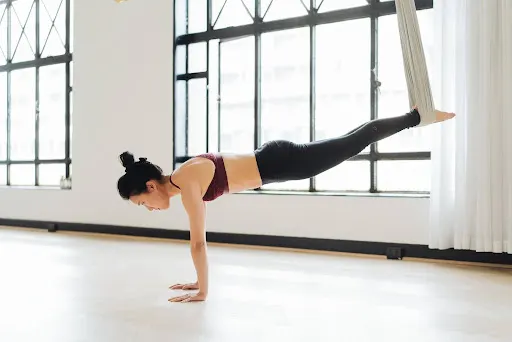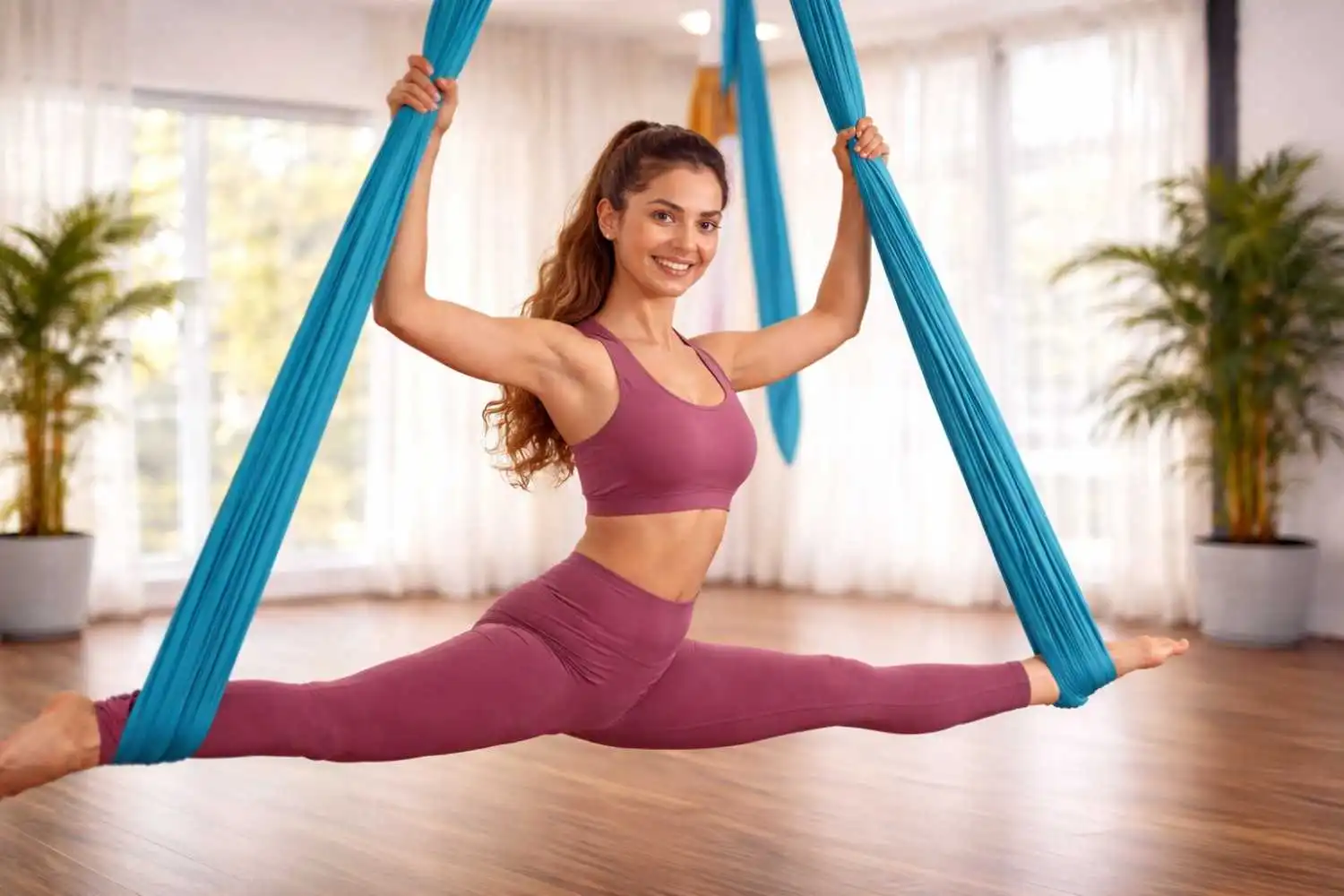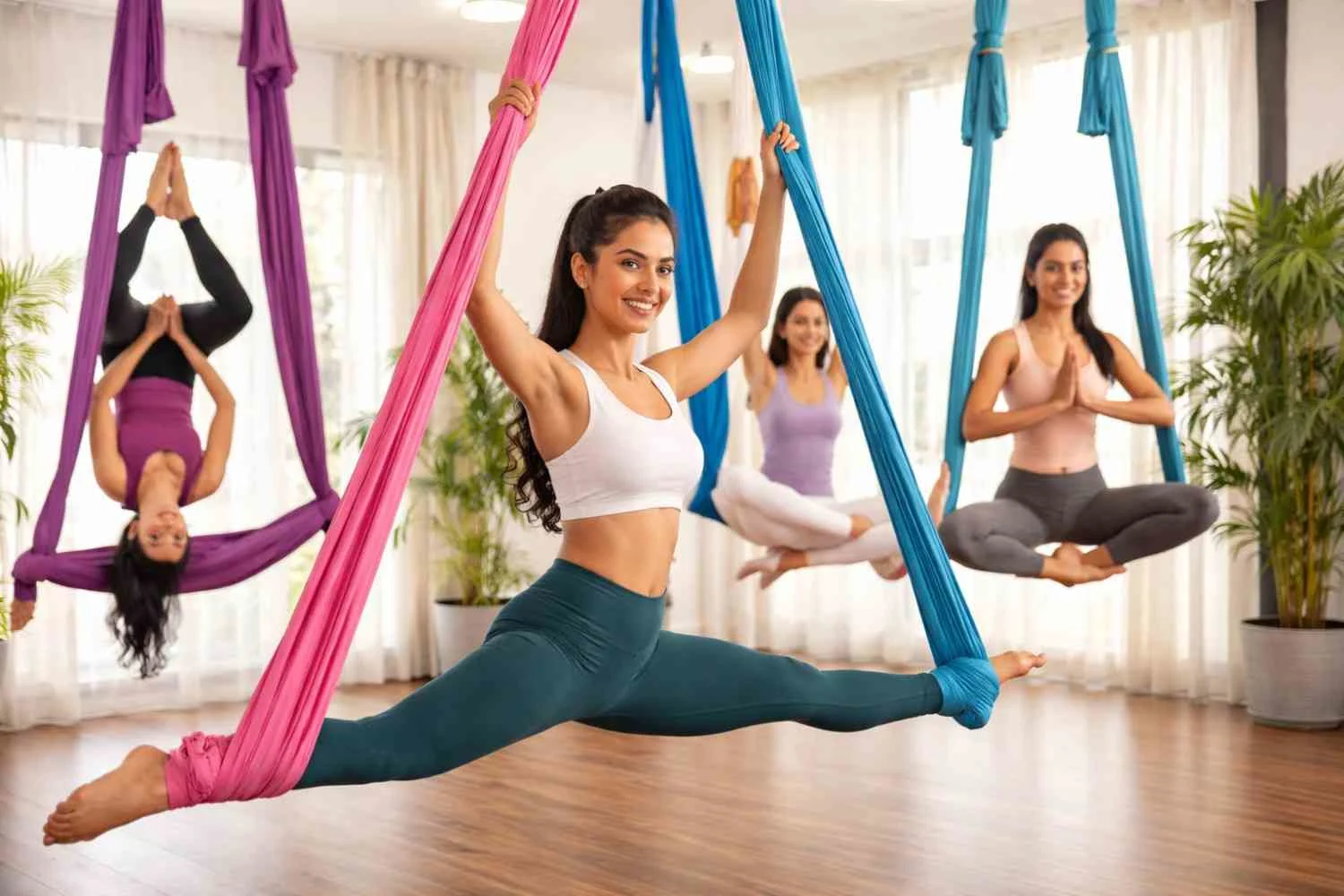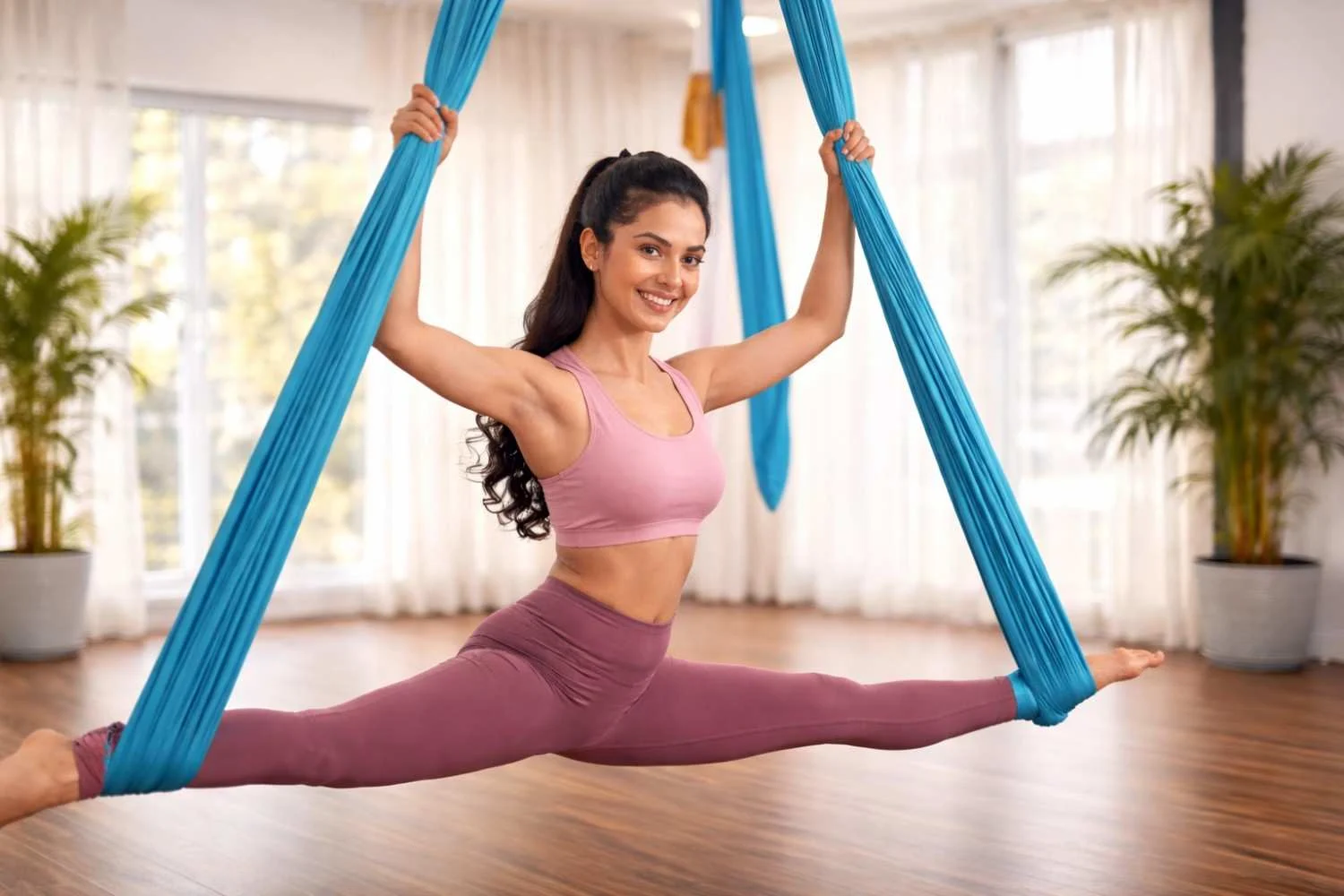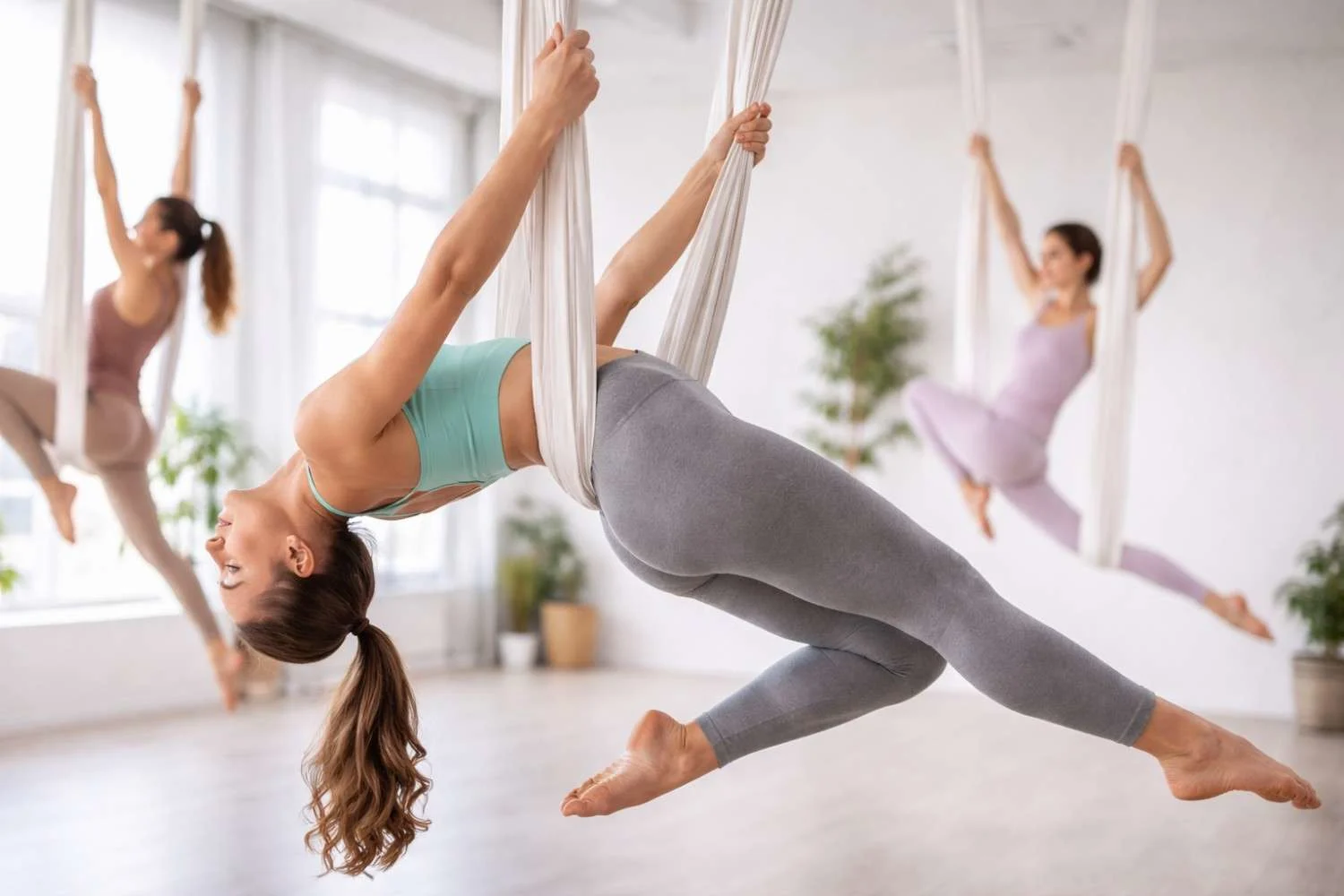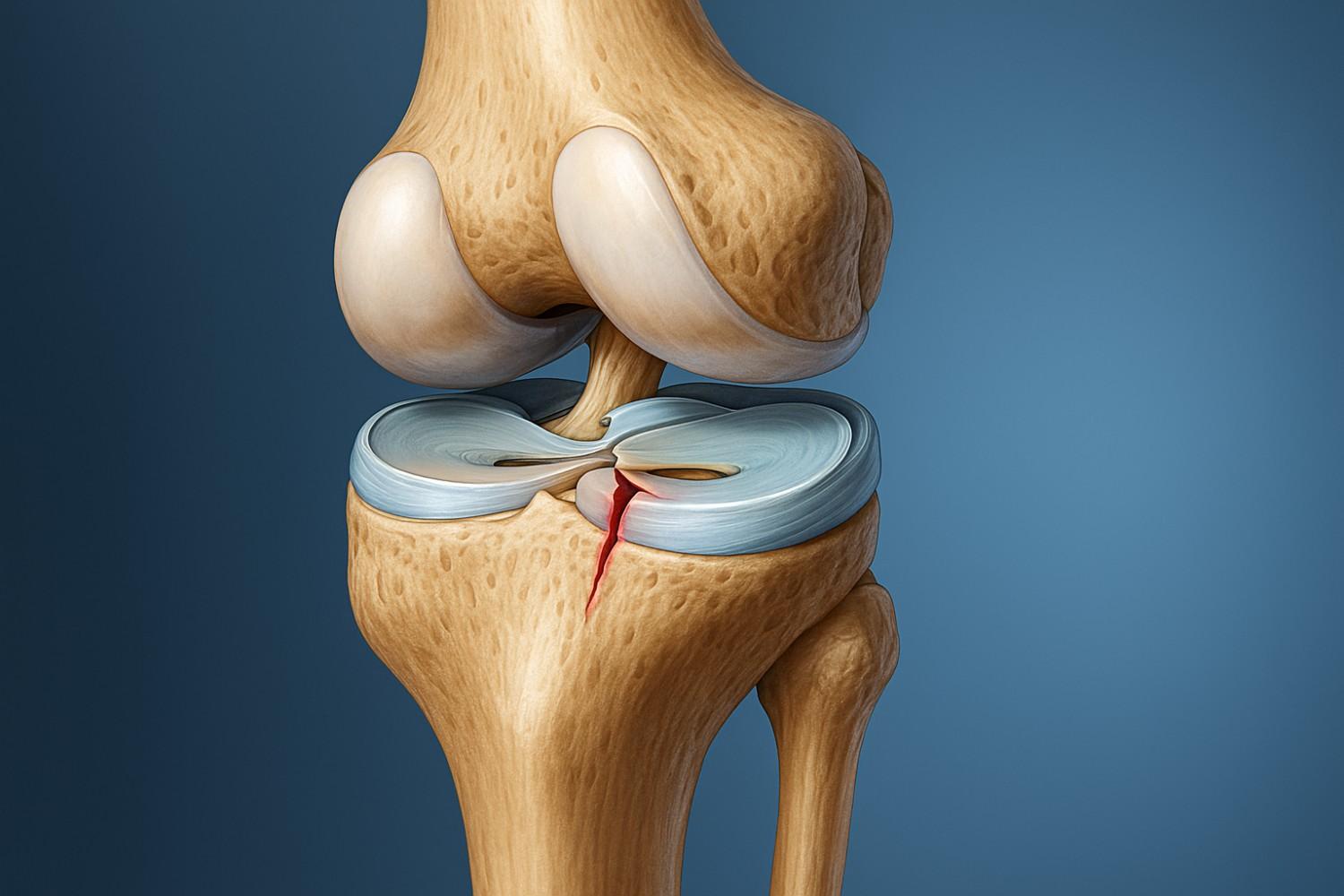
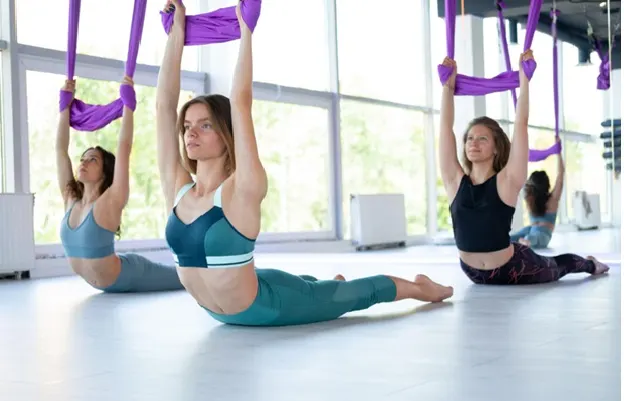
Aerial yoga is generally safe when practiced under proper guidance using the right equipment. It supports the body with a hammock, reducing joint pressure. However, beginners should follow safety guidelines and consult a professional if they have medical conditions or injuries.
Yes—aerial yoga is safe for beginners, provided it is practiced correctly.
Unlike traditional yoga, aerial yoga uses a hammock to support your body weight. This makes many poses easier and less stressful on joints. However, safety depends heavily on proper guidance and technique.
β Supervision is essential: Practicing under a trained instructor reduces the risk of injury significantly.
β Start with basic poses: Avoid advanced inversions until you build strength and confidence.
β Instructor guidance matters: A good instructor will teach proper alignment and safe transitions.
If you're new, we recommend reading this detailed guide on π aerial yoga for beginners to build a strong foundation.
Following proper safety practices is what makes aerial yoga both enjoyable and injury-free.
Always learn from a certified aerial yoga instructor. They understand body mechanics, safe transitions, and how to prevent falls or strain.
Ensure that the hammock, carabiners, and ceiling mounts are strong and professionally installed. Poor-quality equipment is one of the biggest risks.
It’s tempting to push deeper into stretches because the hammock supports you—but overstretching can lead to muscle injuries.
Warming up prepares your muscles and joints, reducing the risk of strain, especially for beginners or physiotherapy patients.
If something feels uncomfortable or painful, stop immediately. Aerial yoga should challenge you—but never hurt you.
While aerial yoga is safe for many people, some individuals should avoid it or consult a healthcare professional first.
β Severe back or spine injuries
β Recent surgeries or stitches
β High blood pressure or heart conditions
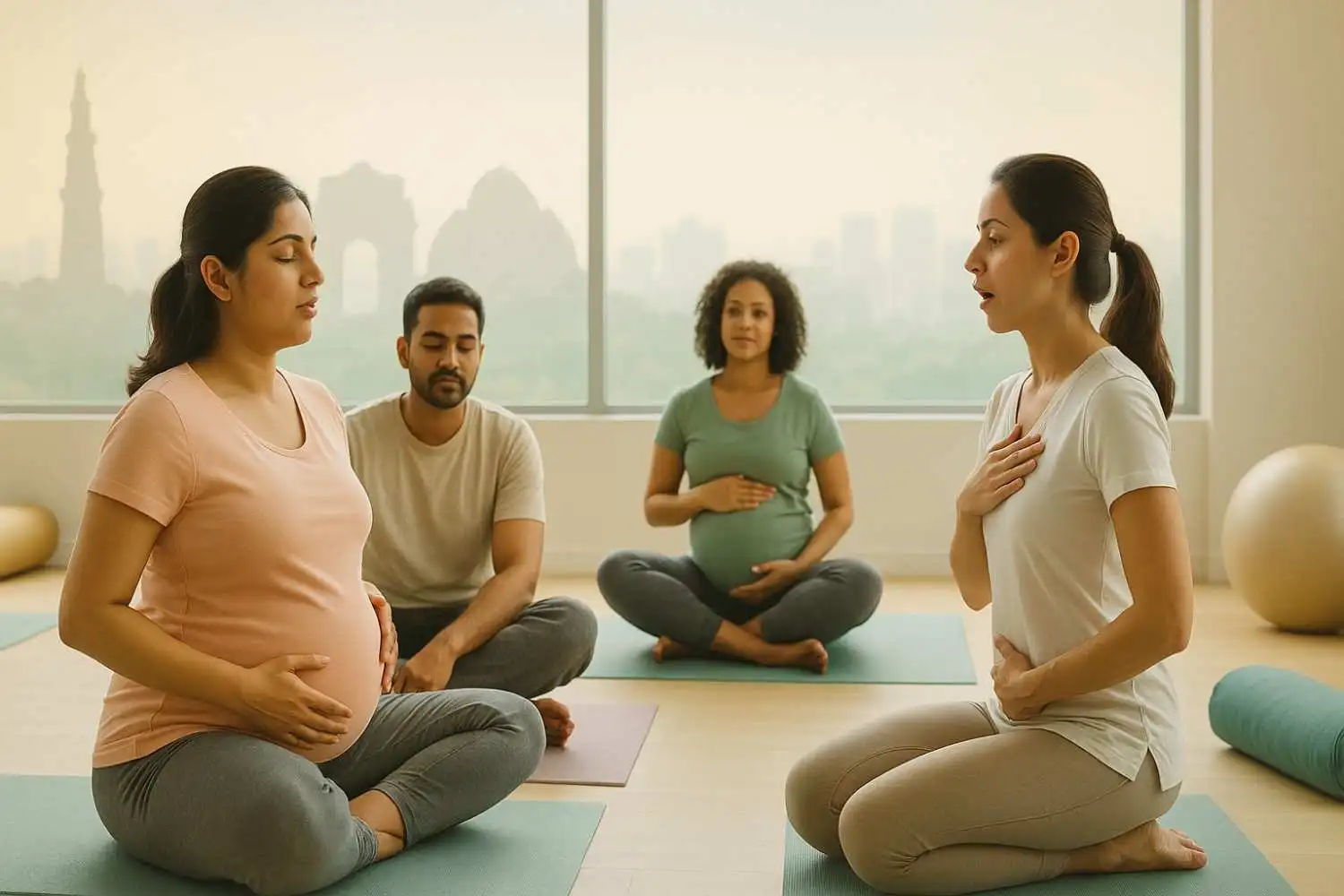
β Pregnancy (especially advanced stages)
Disclaimer: This content is for informational purposes only and not medical advice. Always consult your doctor or physiotherapist before starting aerial yoga if you have any health concerns.
Transparency is important—while aerial yoga is generally safe, there are some risks to be aware of.
β Minor muscle soreness
Especially common for beginners as your body adapts to new movements.
β Risk of falling
This usually happens due to improper technique or lack of supervision.
β Dizziness during inversions
Hanging upside down can temporarily affect blood pressure and balance.
The good news? Most of these risks can be minimized with proper training and awareness.
Benefits That Make Aerial Yoga Safe
Aerial yoga isn’t just safe—it can actually be safer than traditional workouts for some individuals.
β Reduces joint pressure
The hammock supports your weight, making it ideal for people with knee or joint issues.
β Supports body alignment
Helps maintain proper posture and reduces strain on the spine.
β Improves flexibility gradually
You can deepen stretches safely without forcing your body.
β Great for rehabilitation
Many physiotherapy patients benefit from controlled, supported movement.
If you’re trying aerial yoga for the first time, these tips will help you stay safe and confident.
Choose fitted clothes that cover your legs and arms to avoid fabric burns.
Eat light before your session to prevent nausea—especially during inversions.
Don’t rush into advanced poses. Focus on mastering the basics first.
Hydration helps muscle recovery and prevents fatigue.
Let’s compare how aerial yoga stacks up against traditional yoga in terms of safety.
1. Support vs Ground Stability
β Aerial yoga: Hammock supports your body
β Traditional yoga: Body weight on the floor
2. Injury Risk
β Aerial yoga: Lower joint stress but risk of falls
β Traditional yoga: Lower fall risk but more joint pressure
3. Ease for Beginners
β Aerial yoga: Easier for flexibility due to support
β Traditional yoga: Requires more strength and balance initially
Overall, both forms are safe when practiced correctly—but aerial yoga offers unique support that many beginners and rehab patients appreciate.
So, is aerial yoga safe? The answer is a confident yes—when done correctly.
For women, yoga enthusiasts, and even physiotherapy patients, aerial yoga offers a unique blend of support, flexibility, and fun. The key lies in proper guidance, safe equipment, and listening to your body.
If you're curious but hesitant, start slow, choose a certified instructor, and experience the benefits step by step. Your body will thank you for it.
Copyright 2026 | Omansh.org
Website designed and developed byΒ PulsePlay Digital