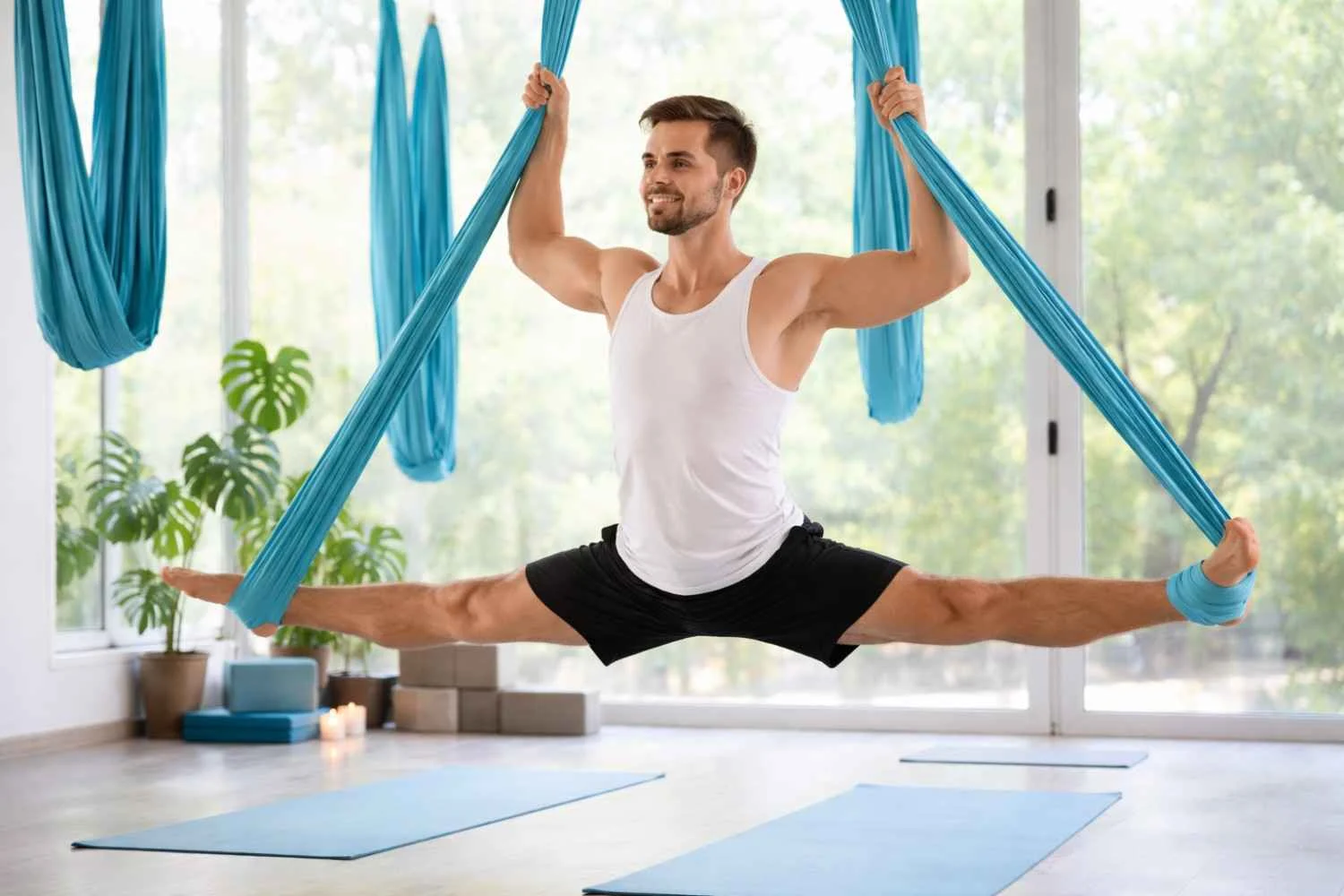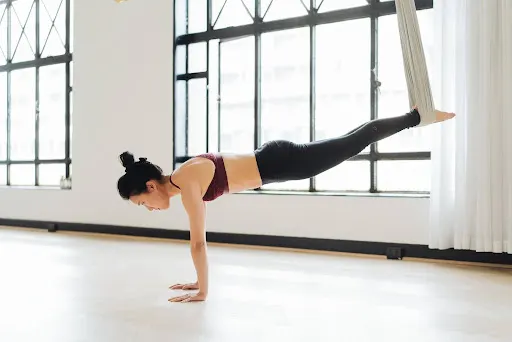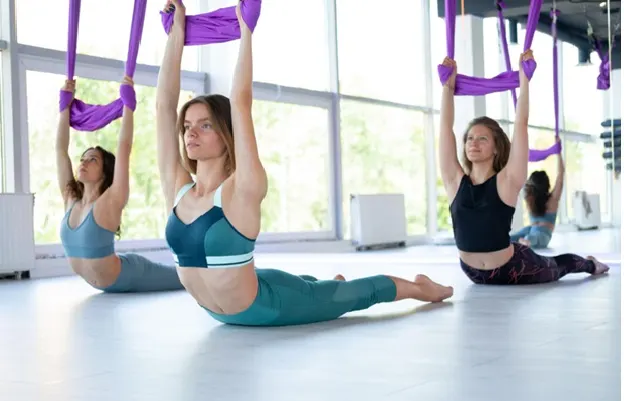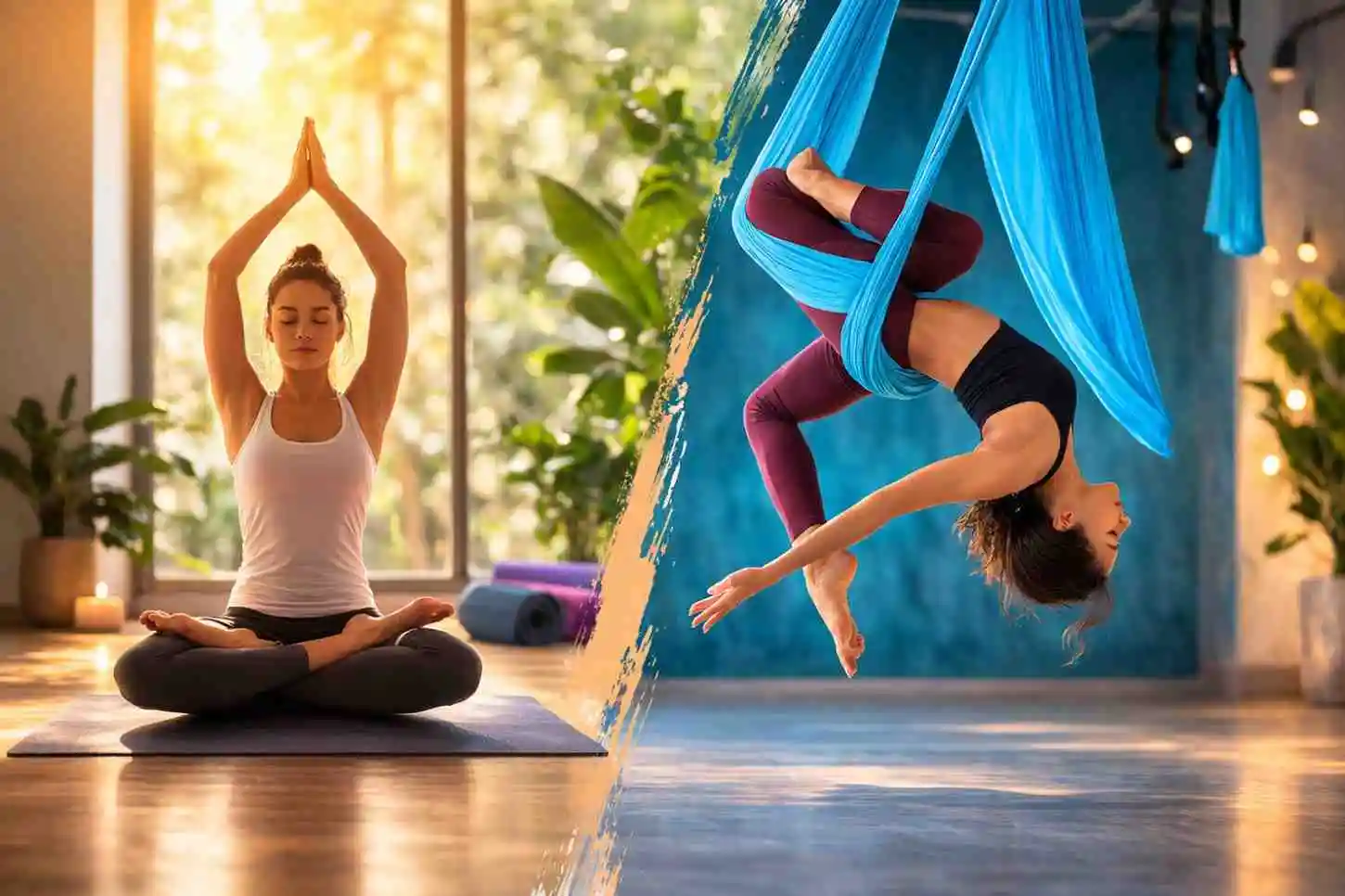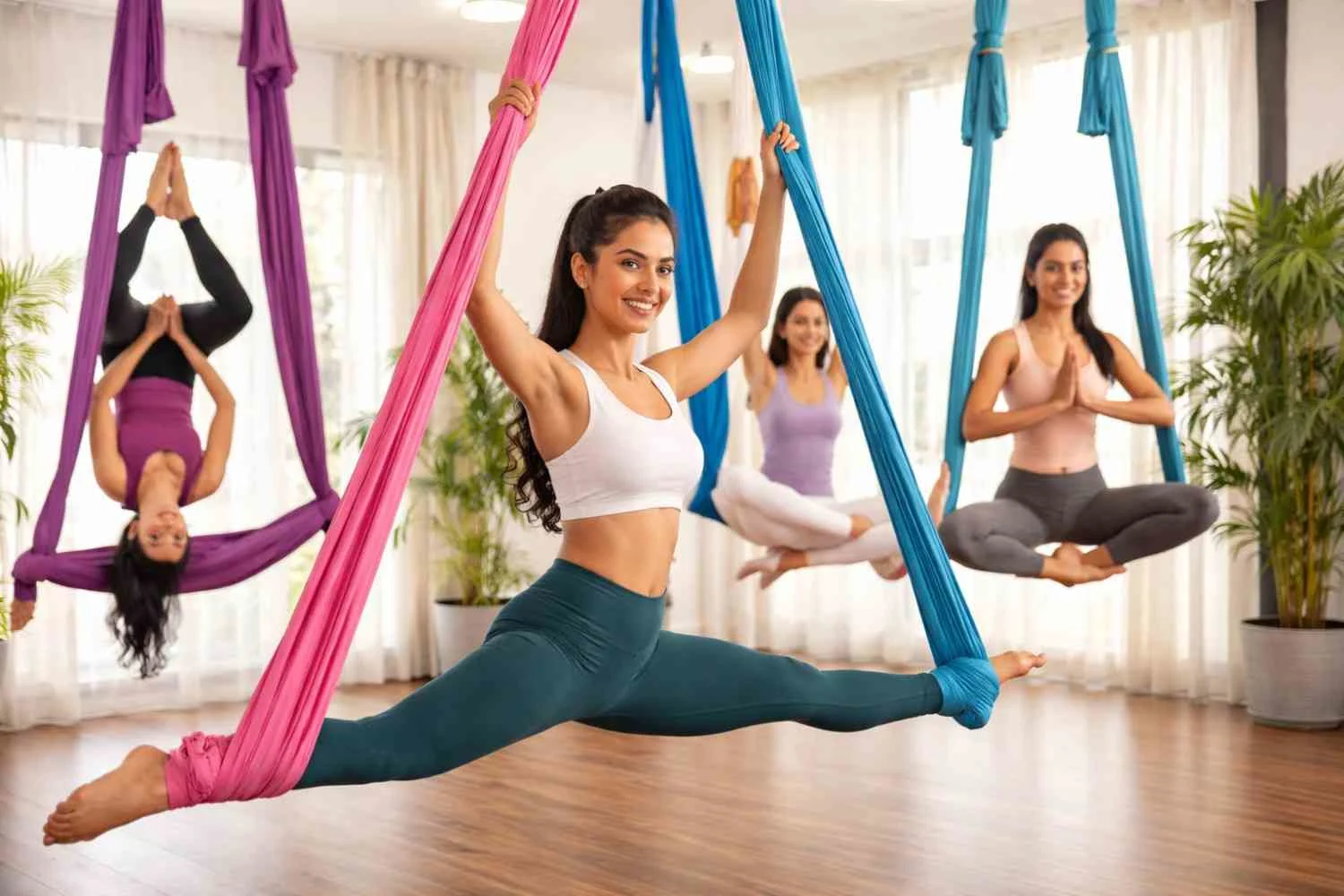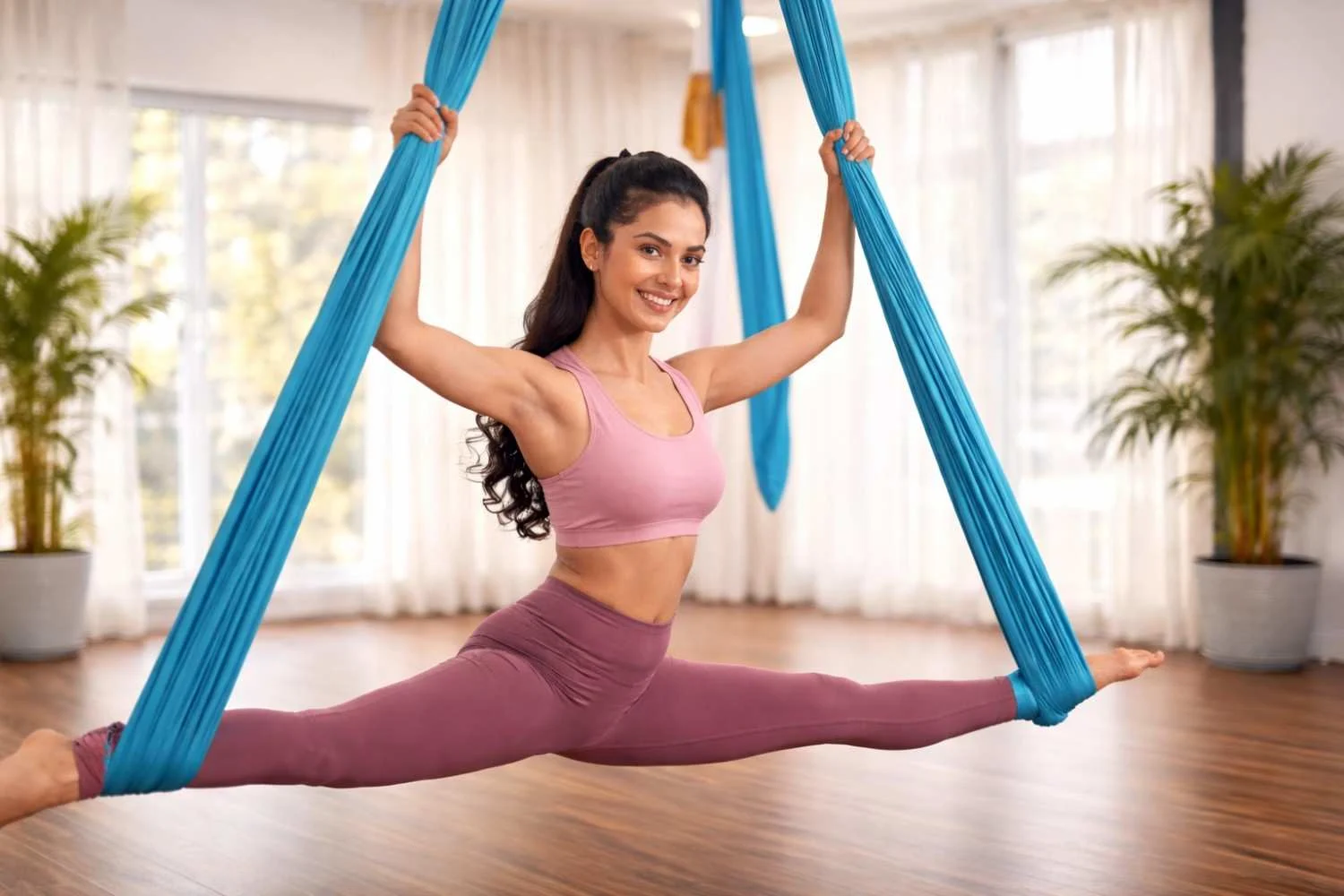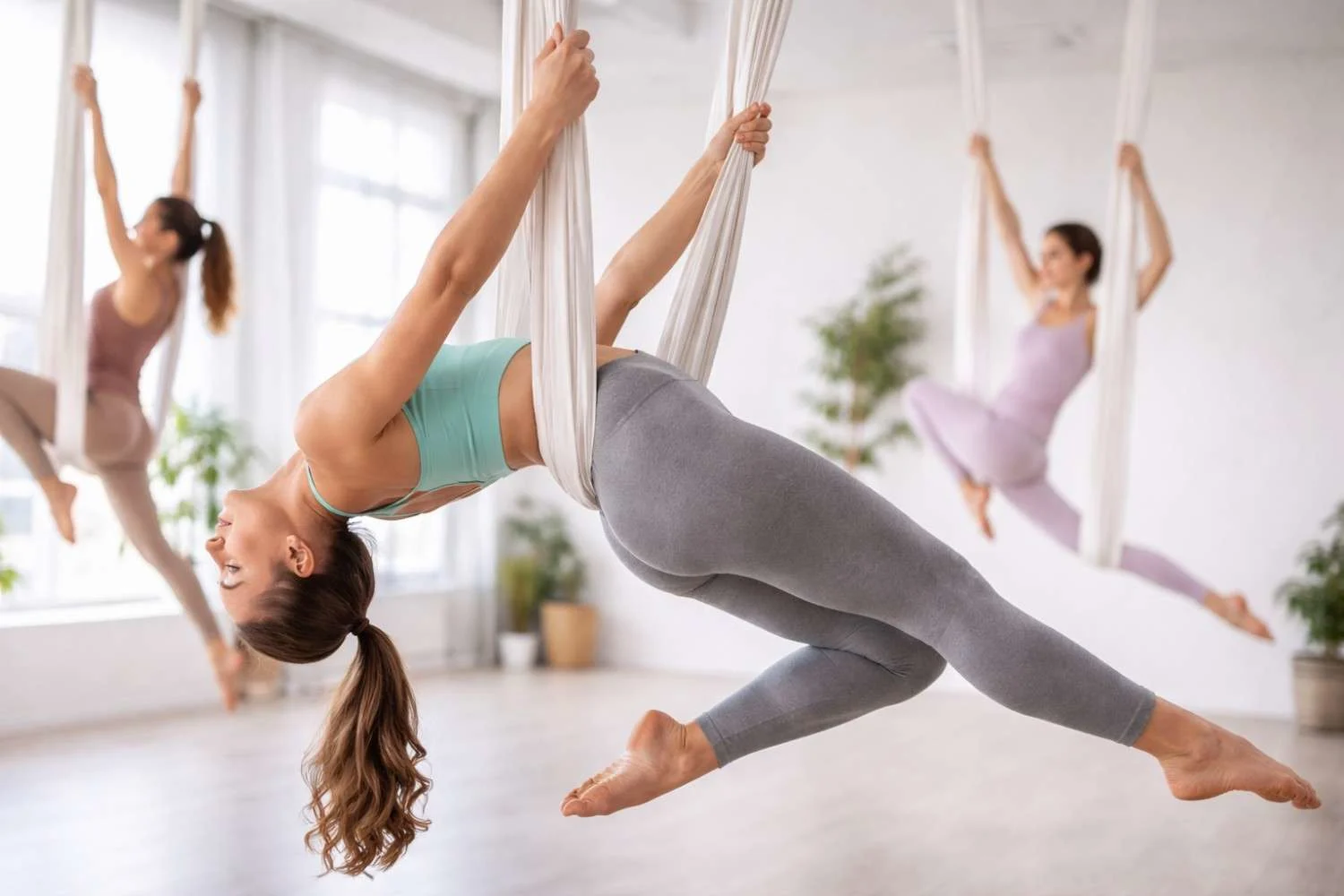
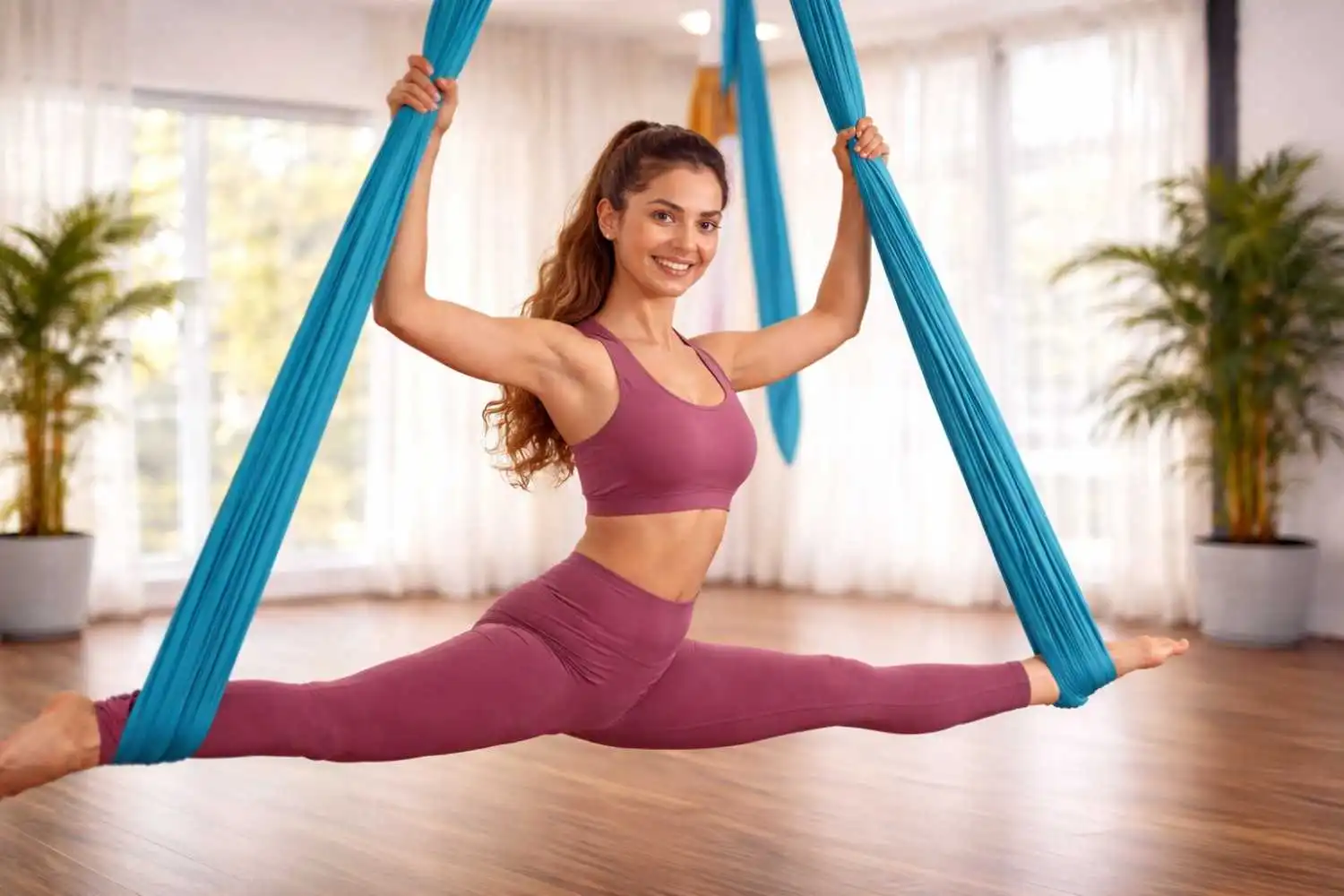
Aerial yoga classes combine traditional yoga poses with a suspended hammock that supports the body during movements. This unique practice allows practitioners to perform stretches, balance poses, and inversions with less pressure on the joints and spine.
In aerial yoga, a soft hammock or silk fabric hangs from the ceiling and partially supports body weight. This support makes certain poses easier while allowing deeper stretches and improved spinal alignment.
Aerial yoga classes are suitable for both beginners and experienced yoga practitioners. Many people join these classes to improve flexibility, strengthen core muscles, enhance posture, and reduce stress. The gentle floating sensation also adds a relaxing and enjoyable element to the practice.
Because the hammock assists the body during movements, aerial yoga sessions can make yoga more accessible for individuals who may find traditional yoga challenging.
Aerial yoga classes are structured yoga sessions that use a suspended hammock or aerial silk to support the body during yoga poses. The hammock is securely attached to the ceiling and is designed to hold body weight safely while practitioners perform different movements.
Unlike traditional mat-based yoga, aerial yoga allows the body to move in three dimensions. The hammock supports certain poses, making it possible to perform stretches and inversions with less strain on the spine and joints.
In an aerial yoga class, participants practice a combination of:
● Traditional yoga poses
● Stretching exercises
● Core strengthening movements
● Balance and coordination practices
The hammock provides both support and resistance, helping practitioners build strength and flexibility simultaneously.
Many people explore aerial yoga as a modern yoga style that combines movement, balance, and relaxation while offering gentle support for the body.
Because the hammock supports part of the body weight, beginners often find aerial yoga less intimidating than it initially appears.
A typical aerial yoga session follows a structured flow designed to warm up the body, perform aerial poses safely, and finish with relaxation.
While class styles may vary slightly between instructors, most aerial yoga classes include the following stages.
Every aerial yoga class begins with a warm-up session.
This stage prepares the body for movement and helps prevent injuries.
The warm-up usually includes:
● Gentle stretching exercises
● Breathing techniques
● Light mobility movements
Breathing exercises help relax the mind and increase oxygen flow to the muscles. Proper breathing also improves focus and prepares the body for the upcoming poses.
After the warm-up, practitioners begin performing basic aerial yoga poses using the hammock.
These poses help improve flexibility and balance while gradually building strength.
Common movements include:
● Supported forward folds
● Gentle spinal stretches
● Balance poses using the hammock
The hammock helps stabilize the body, allowing practitioners to explore movements that might be difficult on a traditional yoga mat.
Many aerial yoga classes include supported inversions where the body is partially upside down.
These inversions may help:
● Reduce pressure on the spine
● Improve circulation
● Strengthen the core muscles
Core activation is an important part of aerial yoga. Maintaining balance in the hammock naturally engages the abdominal muscles, lower back, and hips.
This makes aerial yoga an effective way to build core stability.
At the end of the class, instructors usually guide participants through a cool-down session.
This stage focuses on relaxation and recovery.
Participants may perform:
● Gentle stretching
● Breathing exercises
● A floating relaxation pose inside the hammock
The hammock creates a cocoon-like environment that promotes deep relaxation and stress relief.
Many people find this final stage one of the most enjoyable parts of an aerial yoga session.
Different types of aerial yoga classes are designed to suit various experience levels and fitness goals.
Beginner aerial yoga classes introduce participants to the fundamentals of aerial yoga.
These classes focus on:
● Basic hammock handling
● Simple aerial poses
● Proper body alignment
The goal is to help beginners become comfortable using the hammock while learning safe movement patterns.
Intermediate classes include more advanced poses and transitions between movements.
Participants in these classes typically have some experience with aerial yoga and are ready to explore more challenging techniques.
These sessions may include:
● Deeper stretches
● Complex pose transitions
● Longer inversions
Therapeutic aerial yoga focuses on gentle movements designed to support spinal health and improve posture.
These classes may help individuals who experience mild back tension or muscle stiffness.
Therapeutic sessions often emphasize:
● Spinal decompression
● Relaxation techniques
● Slow controlled movements
Some aerial yoga classes are designed for people who want to improve overall fitness.
These sessions combine stretching with strength training exercises.
Participants work on:
● Increasing flexibility
● Building core strength
● Improving endurance
This type of aerial yoga is ideal for people looking to add variety to their workout routine.
Aerial yoga classes can benefit a wide range of people, from beginners exploring yoga to individuals seeking a fun and engaging fitness activity.
Many people join aerial yoga classes as their first introduction to yoga.
The hammock provides support that helps beginners perform poses more comfortably.
This support can make it easier to learn proper alignment and balance.
Aerial yoga allows deeper stretching because the hammock reduces pressure on joints.
People who want to increase flexibility often find aerial yoga helpful for improving range of motion.
Poor posture and prolonged sitting can lead to back discomfort.
Aerial yoga sessions often include gentle spinal stretches and core strengthening exercises that support better posture.
However, individuals with serious spinal conditions should consult a healthcare professional before participating.
Aerial yoga also offers mental health benefits.
The floating sensation and controlled breathing techniques promote relaxation and help reduce stress and anxiety.
The calming environment of a yoga studio further enhances the stress-relief benefits.
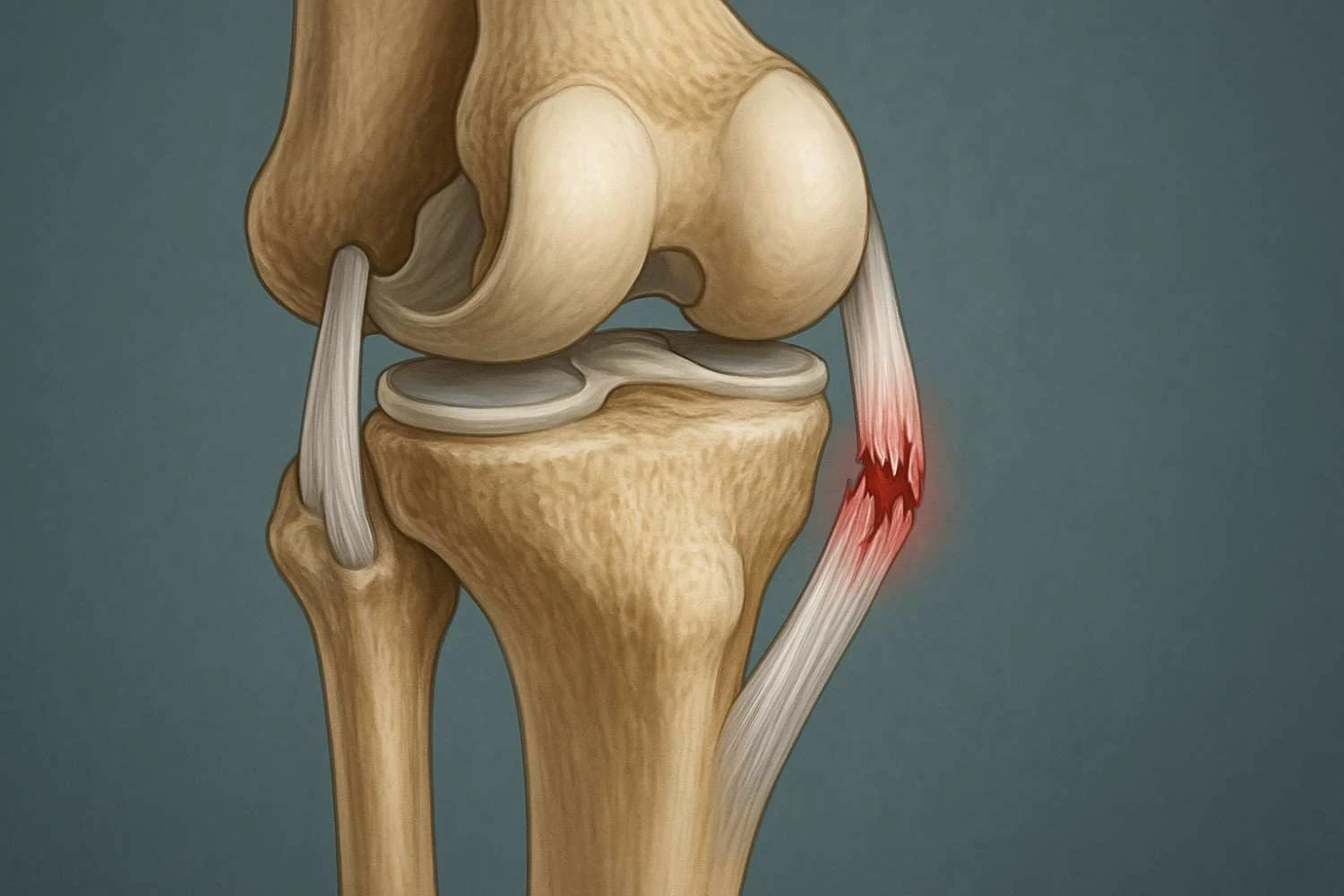
Although aerial yoga is safe for most people, certain individuals should avoid it or seek medical advice before joining.
These may include:
● Individuals who recently had surgery
● People with serious injuries
● Those with certain medical conditions affecting balance or the spine
Consulting a healthcare professional can help determine whether aerial yoga is appropriate.
Benefits of Aerial Yoga Classes
Aerial yoga offers several physical and mental health benefits.
The hammock allows practitioners to stretch deeper without placing excessive pressure on joints.
Over time, this may improve overall flexibility and mobility.
Maintaining balance in the hammock activates the core muscles.
Regular practice strengthens the abdomen, lower back, and hips.
Aerial yoga poses can help lengthen the spine and reduce compression in the back
Because the body moves in suspension, aerial yoga requires coordination and body awareness.
This helps improve balance over time.
Copyright 2026 | Omansh.org
Website designed and developed by PulsePlay Digital