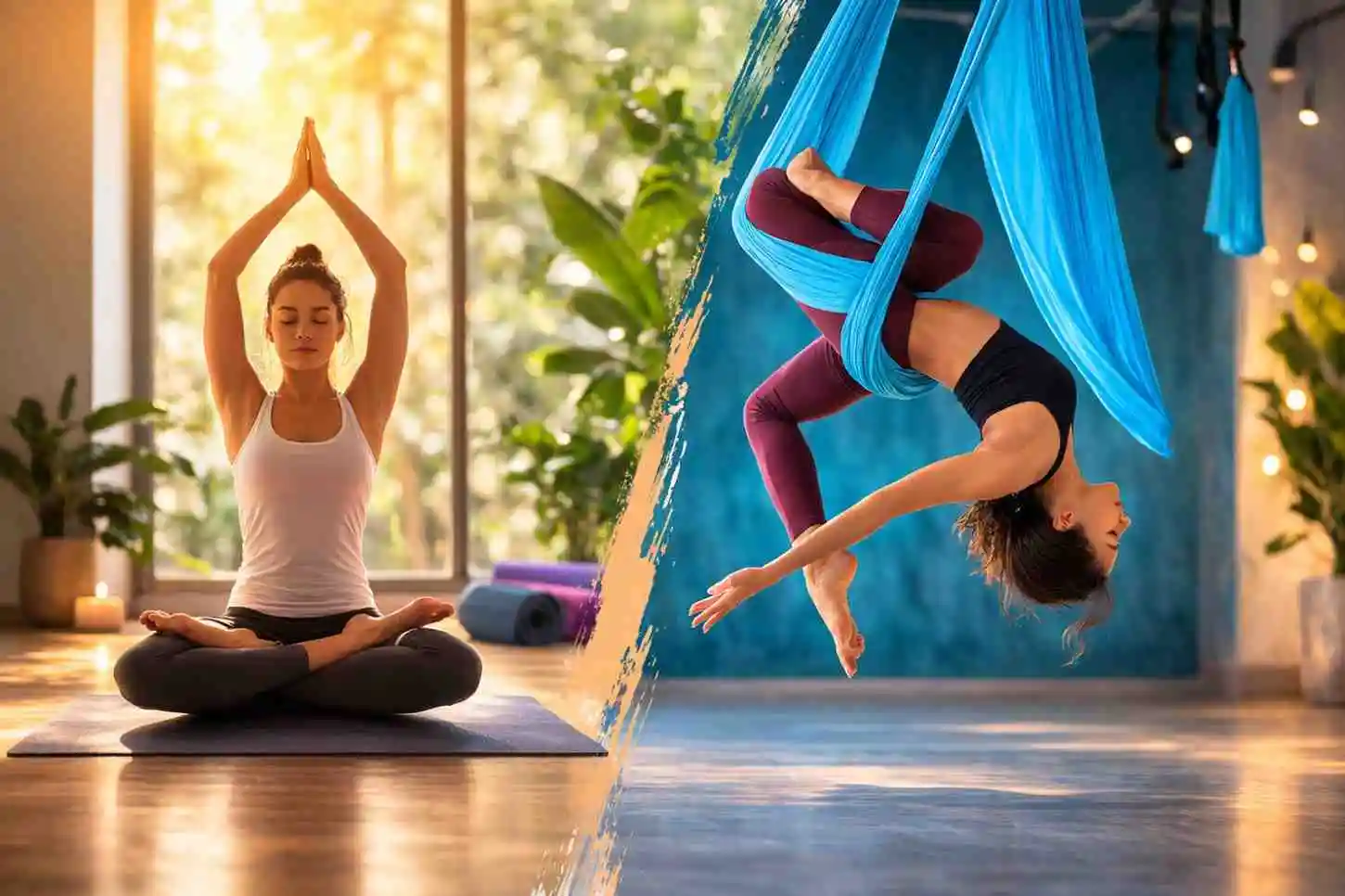
Yoga has evolved into many forms over the years, each offering unique benefits for physical and mental well-being. Among the most popular styles today are aerial yoga and traditional yoga. While both practices aim to improve flexibility, strength, balance, and relaxation, they differ significantly in the way they are performed.
Traditional yoga is practiced on a mat and includes various styles such as Hatha, Vinyasa, and Ashtanga. Aerial yoga, on the other hand, uses a suspended hammock to perform yoga poses while partially supported by gravity.
Understanding the differences between these two practices can help you decide which one suits your fitness goals, experience level, and comfort.
In this guide, we will explore the key differences between aerial yoga and traditional yoga, including equipment, benefits, difficulty level, safety considerations, and who should choose each style.
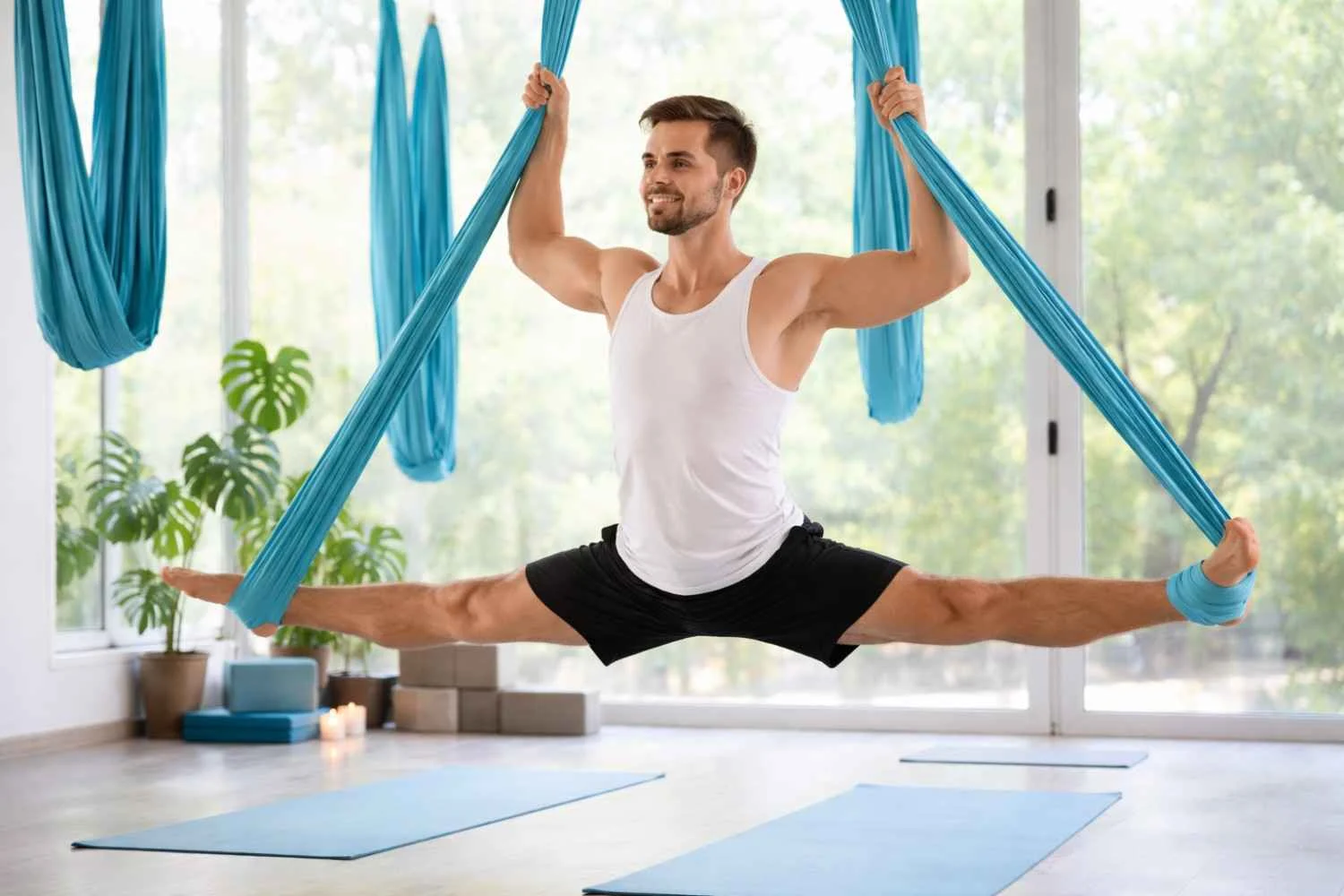
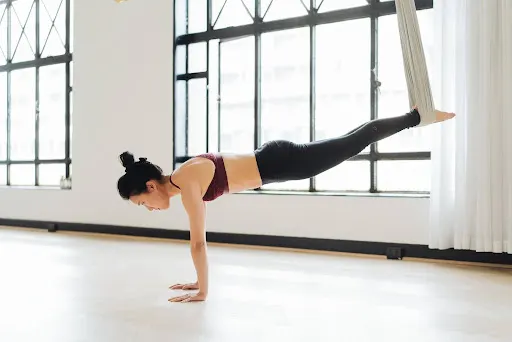
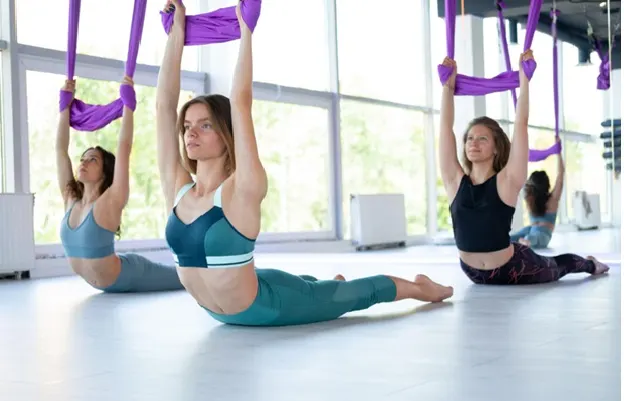
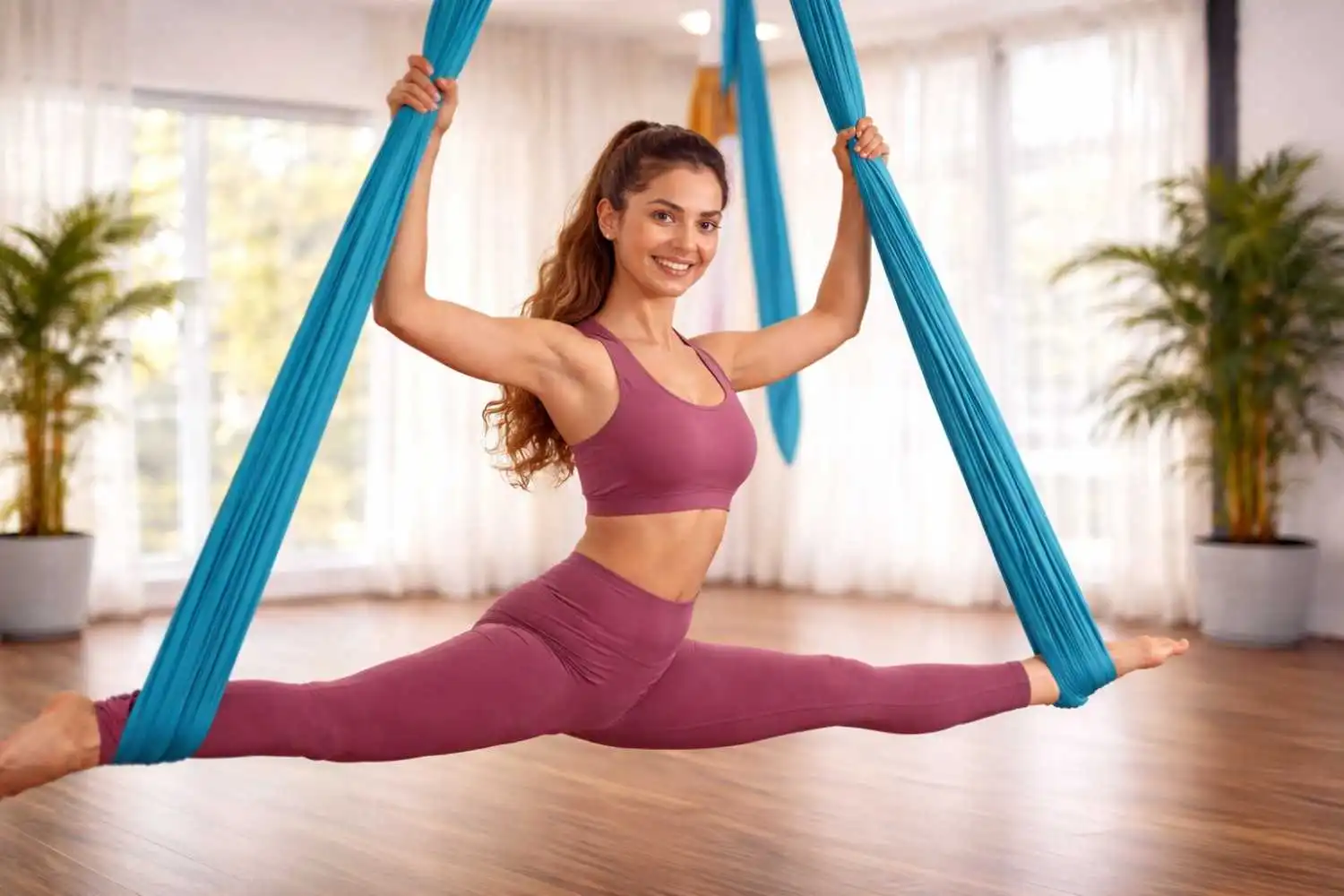
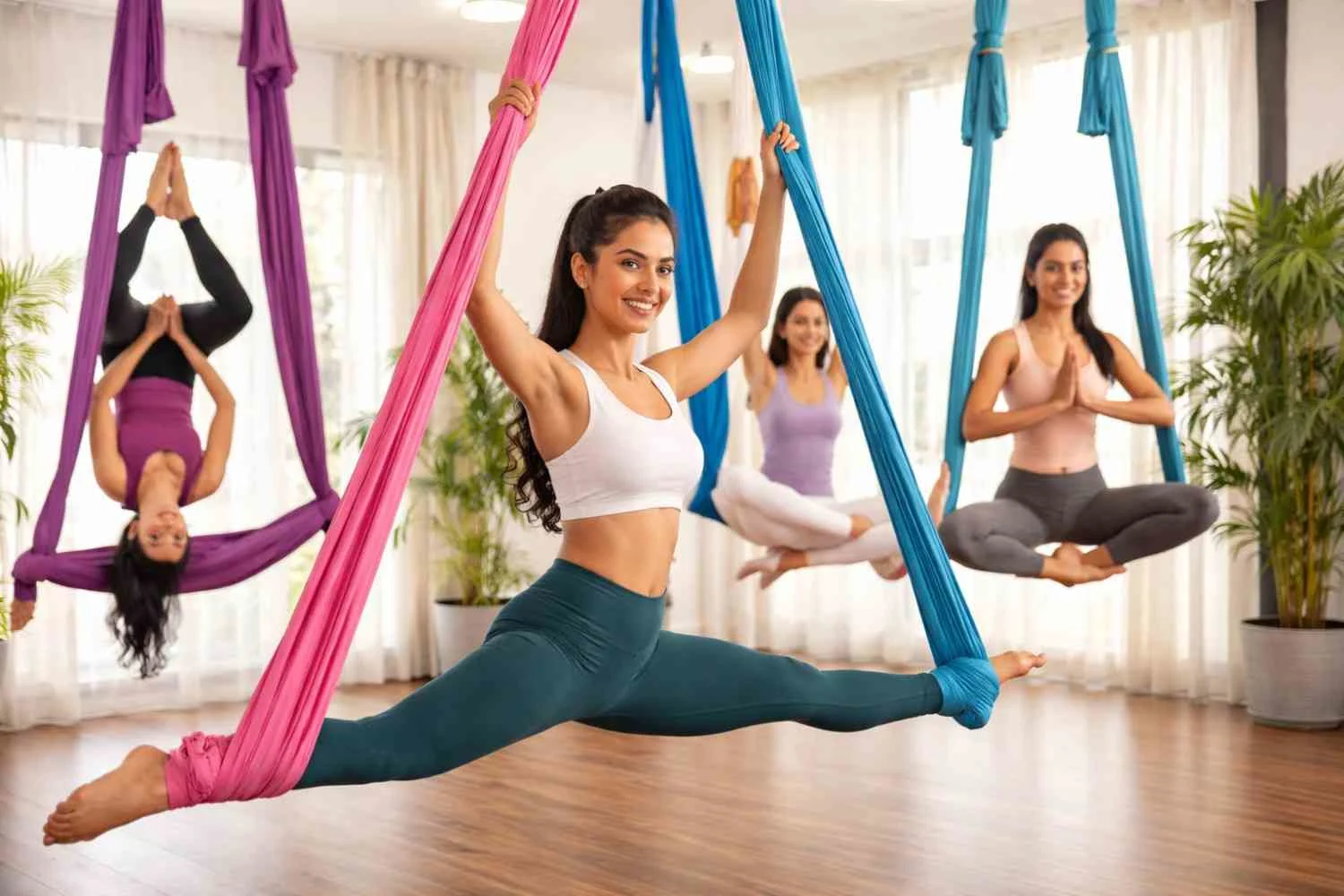
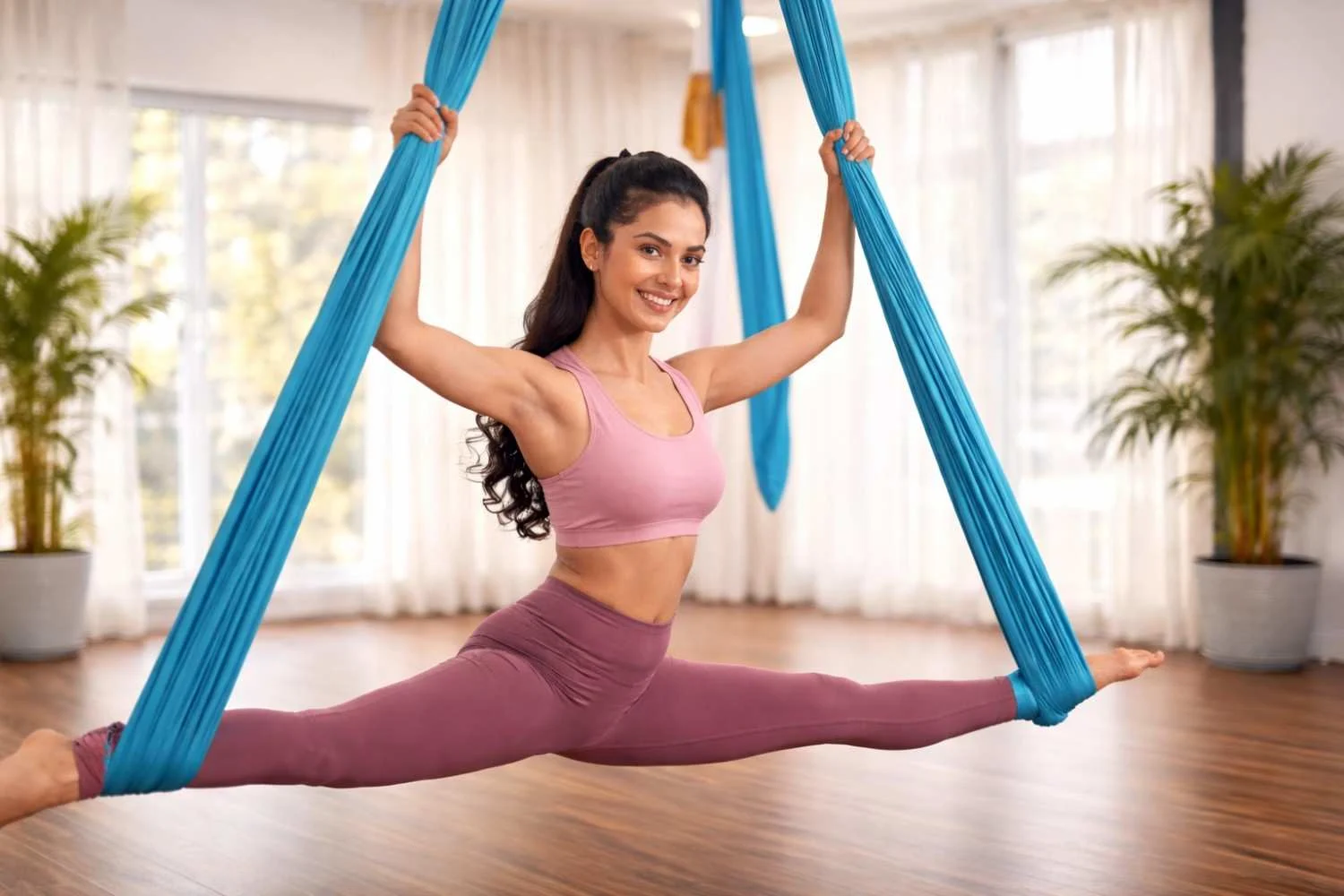
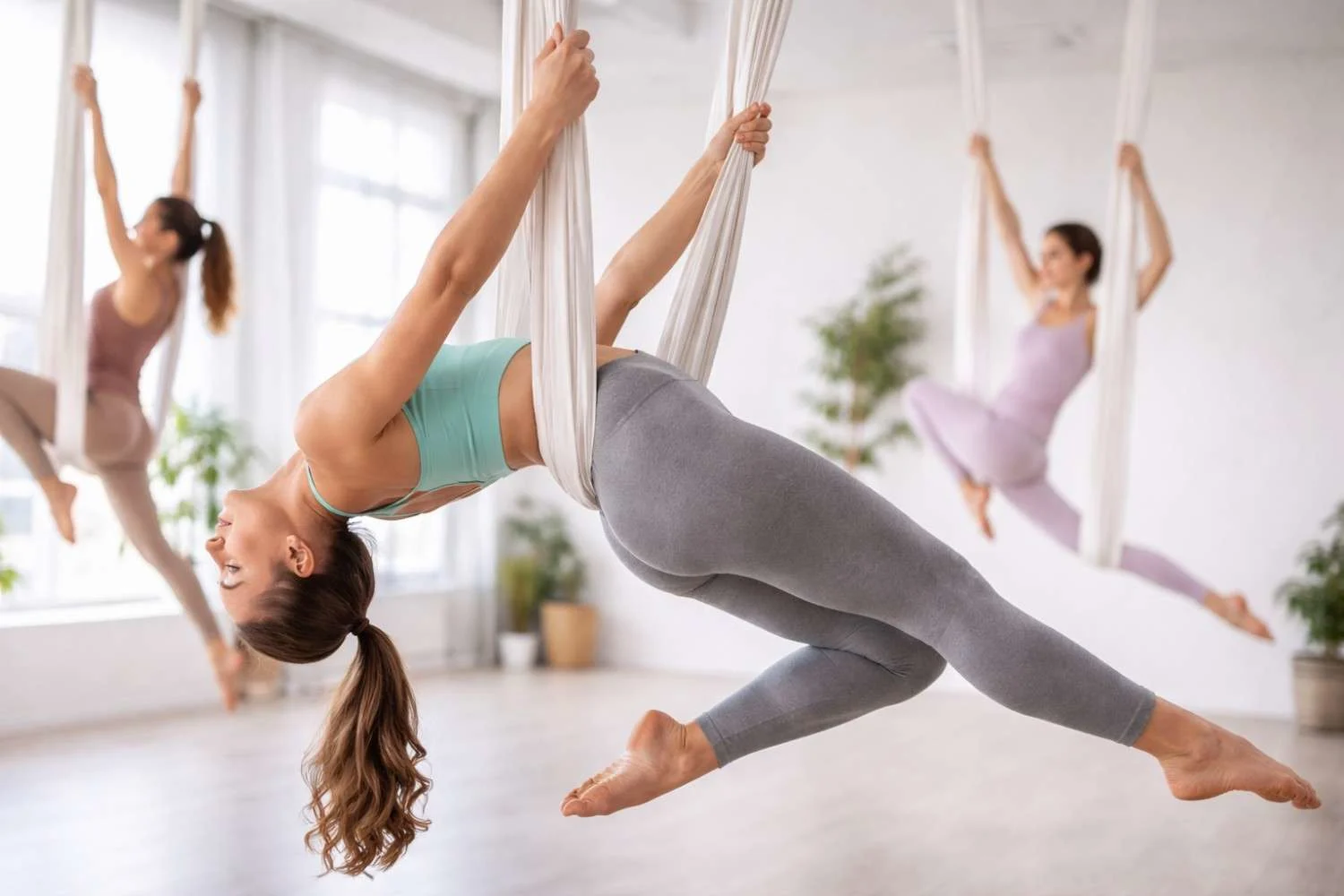
Aerial yoga is a modern yoga practice that combines traditional yoga poses with elements of aerial fitness, Pilates, and dance. Instead of practicing on the ground, participants perform poses using a silk hammock or yoga swing suspended from the ceiling.
The hammock supports the body during stretches and poses, allowing practitioners to experience gravity-assisted movements that may be difficult on a mat.
Through suspension, aerial yoga allows deeper stretching, improved alignment, and reduced pressure on joints. Many people find it easier to perform inversions such as headstands or backbends with the support of the hammock.
You can explore professional classes and techniques for aerial yoga here:
Some key characteristics of aerial yoga include:
● Use of a fabric hammock for support
● Gravity-assisted stretching
● Easier performance of inversions
● Increased spinal decompression
● Combination of strength and flexibility training
Because of the suspension element, aerial yoga can feel playful and therapeutic at the same time.
Traditional yoga refers to the classic forms of yoga practiced on a yoga mat, focusing on physical postures (asanas), breathing techniques (pranayama), and meditation.
It has been practiced for thousands of years and forms the foundation of most modern yoga styles.
Common traditional yoga styles include:
● Hatha Yoga – gentle poses and slower pace
● Vinyasa Yoga – flowing sequences with breath coordination
● Ashtanga Yoga – structured and physically demanding sequences
Traditional yoga focuses on improving strength, flexibility, balance, breathing, and mental focus.
Unlike aerial yoga, traditional yoga does not require specialized equipment or suspension systems, making it accessible for beginners and people of all fitness levels.
One of the biggest differences between aerial yoga and traditional yoga is the equipment used during practice.
Aerial yoga requires specific equipment designed to support the body during suspension.
Common equipment includes:
● Aerial hammock or yoga swing made from strong silk fabric
● Ceiling-mounted rigging system
● Adjustable straps or carabiners for safety
● Yoga mat underneath for additional support
The hammock acts as both a support system and a prop to help practitioners perform poses safely.
Traditional yoga requires minimal equipment, making it one of the most accessible forms of exercise.
Common equipment includes:
● Yoga mat
● Optional props such as:
○ Yoga blocks
○ Yoga straps
○ Bolsters or cushions
These props help beginners maintain proper alignment and deepen stretches safely.
Both aerial yoga and traditional yoga offer numerous health benefits. However, the nature of the movements and support system leads to slightly different advantages.
Aerial yoga provides unique benefits due to its suspension-based practice.
Some key benefits include:
1. Spinal Decompression
The hammock allows the spine to lengthen naturally, reducing pressure on spinal discs and relieving back tension.
2. Improved Flexibility
Gravity-assisted stretching helps practitioners reach deeper stretches more comfortably.
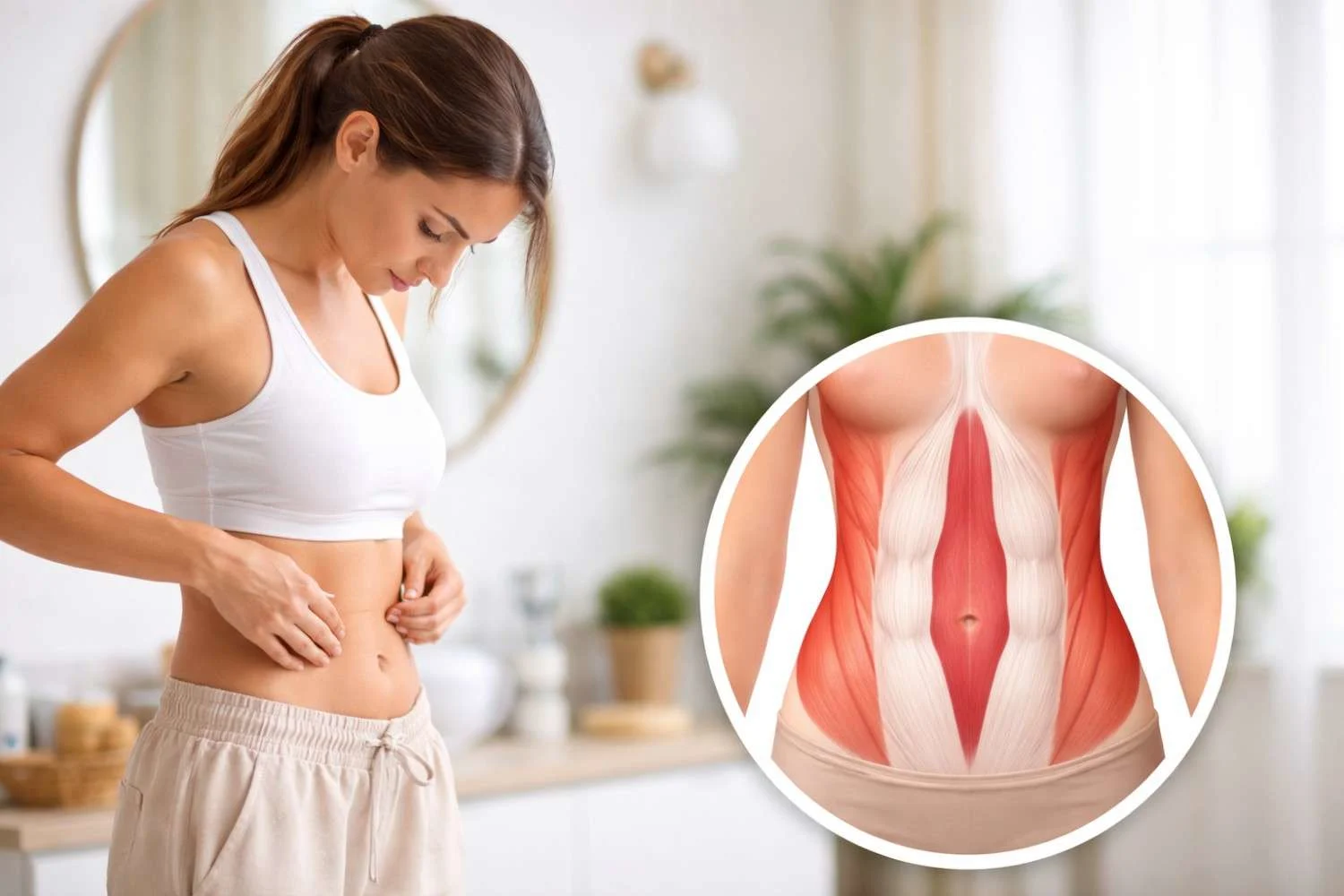
3. Enhanced Core Strength
Maintaining balance in the hammock requires constant engagement of the core muscles.
4. Better Balance and Coordination
Because the body is suspended, practitioners must stabilize themselves, improving balance and body awareness.
To learn more about the benefits of aerial yoga, visit:
Traditional yoga provides a strong foundation for physical and mental wellness.
Key benefits include:
1. Improved Strength and Stability
Holding poses such as plank, warrior, and chair pose strengthens muscles throughout the body.
2. Better Breathing Techniques
Traditional yoga emphasizes pranayama, which improves lung capacity and relaxation.
3. Beginner-Friendly
Since it does not involve suspension or complex equipment, traditional yoga is ideal for beginners.
4. Mental Relaxation
Yoga promotes mindfulness, reduces stress, and improves emotional balance.
When comparing aerial yoga and traditional yoga, the difficulty level can vary depending on the individual and the specific class.
● Requires balance and coordination
● Learning to trust the hammock can take time
● Some poses may feel challenging initially
● Instructor supervision is essential
● Generally easier for beginners
● Many beginner-friendly classes are available
● Progression can be gradual
For individuals who are new to yoga, traditional yoga often serves as a great starting point before exploring advanced practices like aerial yoga.
However, beginners can still try aerial yoga with proper instruction and safety guidance.
Safety is an important factor when choosing between aerial yoga and traditional yoga.
Regardless of the style, practicing under professional supervision ensures proper posture, alignment, and injury prevention.
Important safety tips include:
● Always practice with a certified instructor
● Warm up properly before starting poses
● Avoid forcing stretches
● Use high-quality equipment
● Ensure proper hammock installation for aerial yoga
Individuals with certain medical conditions should consult a healthcare professional before starting any yoga practice.
|
Feature |
Aerial Yoga |
Traditional Yoga |
|
Equipment |
Hammock |
Yoga Mat |
|
Difficulty Level |
Moderate |
Beginner Friendly |
|
Flexibility |
High |
Moderate |
|
Core Strength |
High |
Moderate |
|
Balance |
Requires more balance |
Stable poses |
Copyright 2026 | Omansh.org
Website designed and developed by PulsePlay Digital